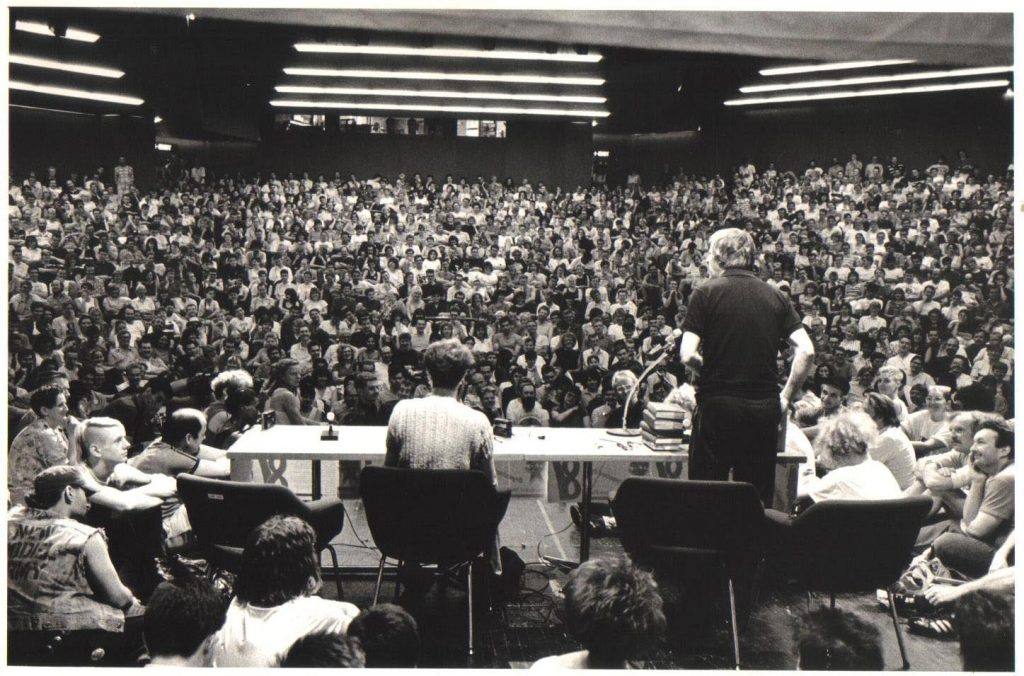
Paul’s life as a public speaker began at a very early age, at his grandfather’s house in Cornwall. There he learned poetry by heart and had to recite it out loud too. As a teenager his grandfather asked him to read out his old Parliamentary speeches: ‘Louder! Louder!’ he would berate him.
At school in Shrewsbury, it was the same: learn this by heart, recite that in front of the class. Then he moved on to the Oxford Union debates. And by the time he reached a soapbox in Sauchiehall Street in Glasgow, he was discovering that while different audiences needed a different approach, the words still needed to be loud and clear.
Paul spoke at meetings and rallies of the International Socialists and the Socialist Workers Party up and down the country on almost any topic. The members loved having him, because his name alone pulled in a much bigger audience than came to the regular meetings.
He was best known for his set pieces, hour-long discourses, first at the IS/SWP weekends at the Derbyshire Mine Workers’ Holiday Camp in Skegness, and then at the Marxism weekends in London.
He opened in Skegness, in 1976, with the revolutionary politics of the poet Shelley, followed in 1977 with Tom Paine and The Rights of Man, and then Toussaint Louverture – dubbed the Black Jacobin by the Trinidadian writer CLR James. Louise Michel and the Paris Commune came next, followed by John Reed, the author of Ten Days that Shook the World – according to Paul, one of the best books about the Russian revolution.
All Paul’s talks were something of a performance. They required practice and preparation, and would include carefully crafted jokes and funny voices. A pile of books would have their pages marked in advance for quotation. His notes, by contrast, were scrappy, on pages of A4 paper torn in half, which he kept slipped inside a relevant book, to be recycled for the next occasion.
He didn’t reserve these talks for the converted. He was a regular at the Cheltenham Literature Festival and on BBC radio (some of these recordings are publicly available in the British Library).
These talks about his heroes and heroines were interlaced with historical reminders. In 1989, for example, marking the two hundredth anniversary of the French revolution, he talked about the influence of the revolution in Ireland in the 1790s.
The meetings were also an opportunity for Paul to formulate and perfect his political thinking, particularly when he was also engaged in writing a book. The history and politics he covered while writing The Vote preoccupied him for years, starting with the English civil war, the Levellers and the Putney debates. Votes for women, too, demanded some untangling, as did the Chartists, and finally the politics of Tony Blair.

You can listen to Paul Foot at these links below
Some of these were recorded decades ago so the quality is variable
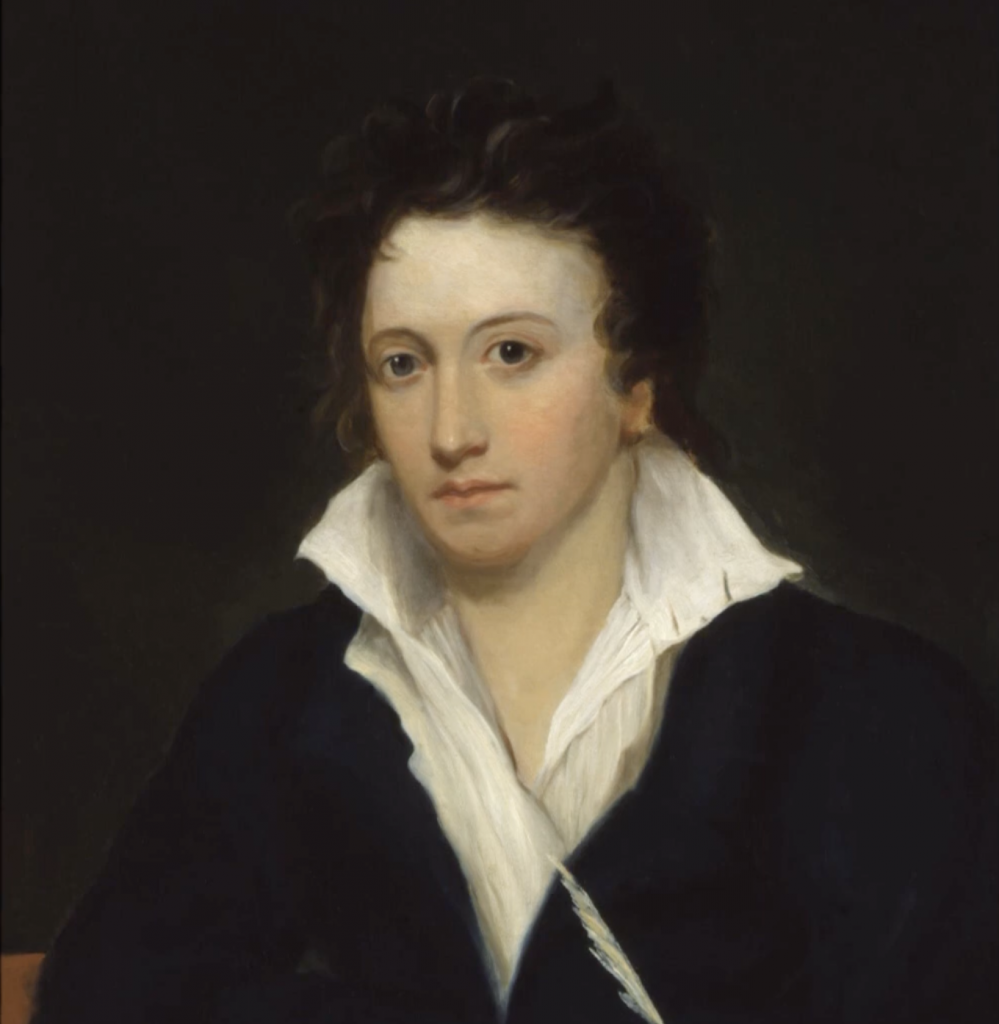
The Poetry of Revolution – Percy Bysshe Shelley, 1981

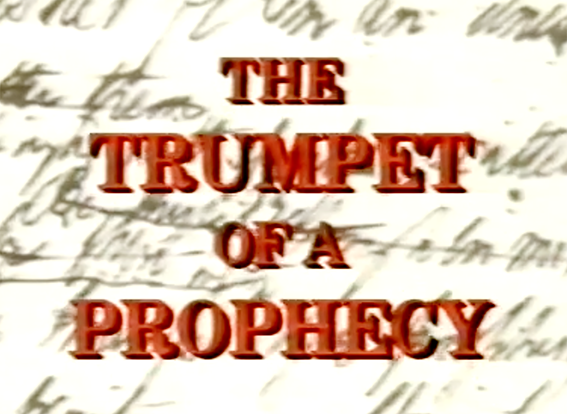
The Trumpet of a Prophecy, a television programme, 1987
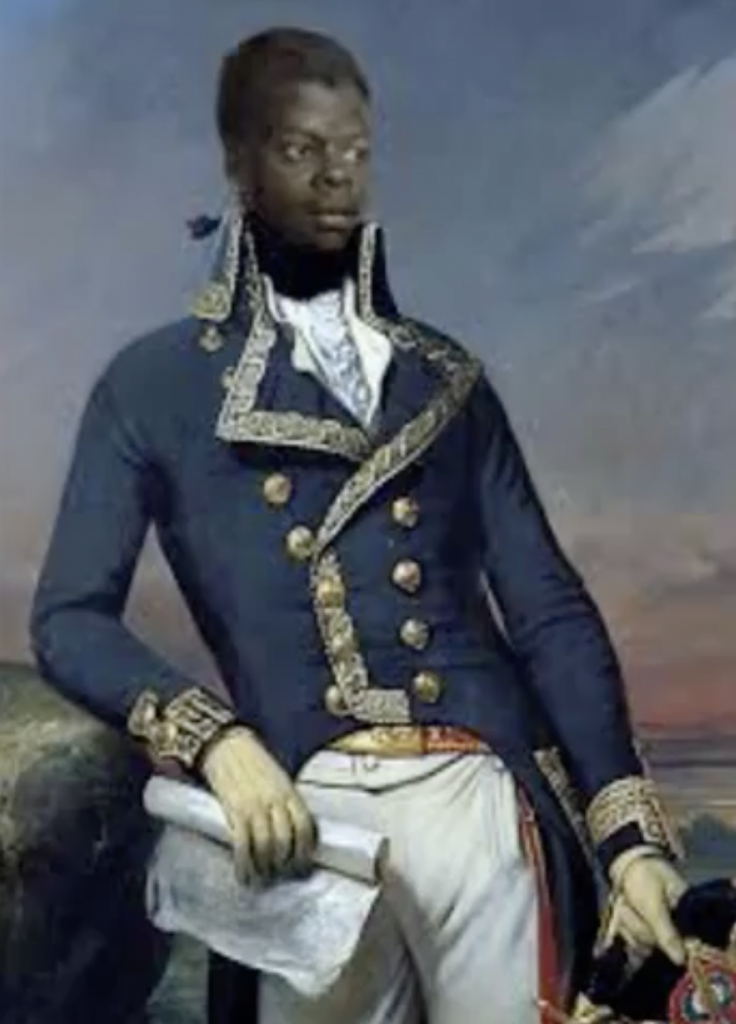
Toussaint Louverture and the Haitian revolution
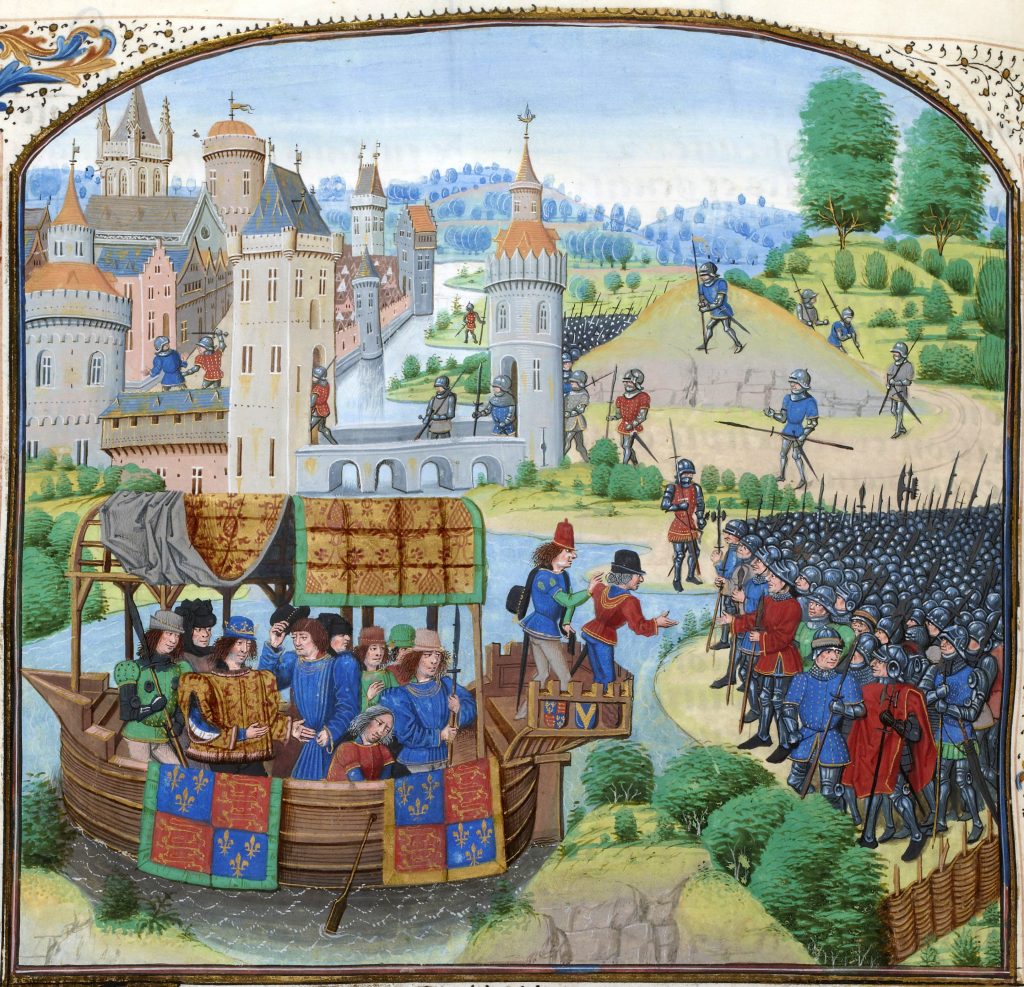
The Peasants’ Revolt, 1381, 1981
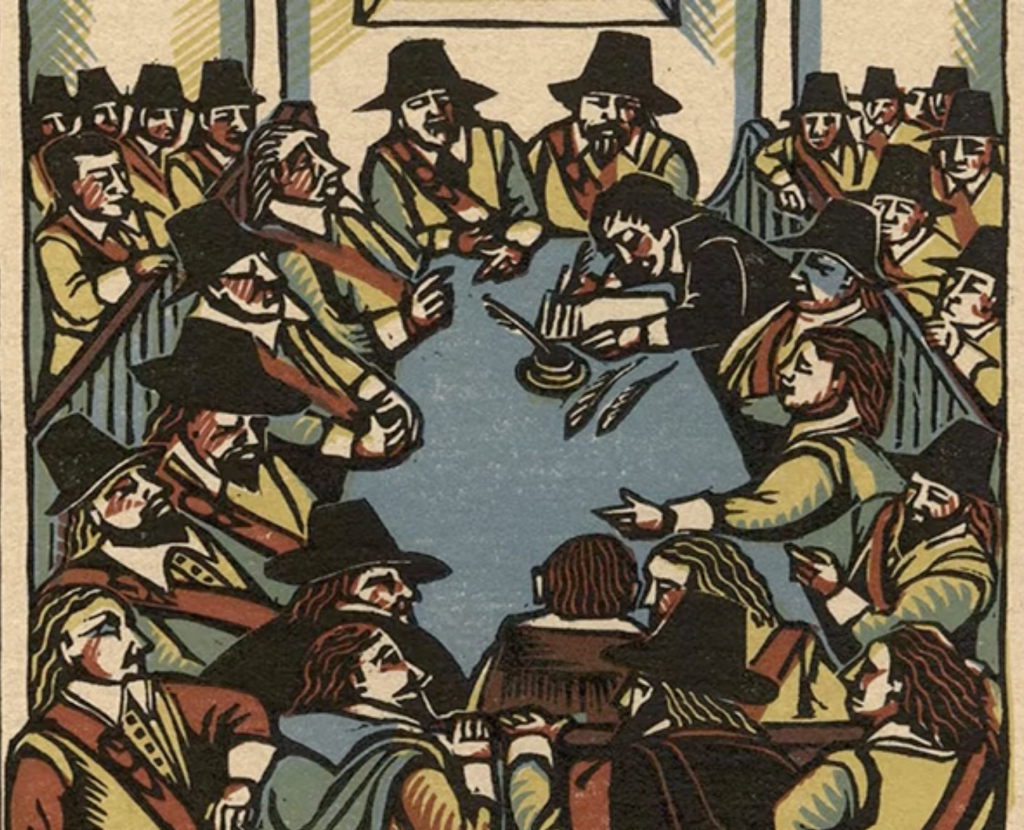
The Putney Debates
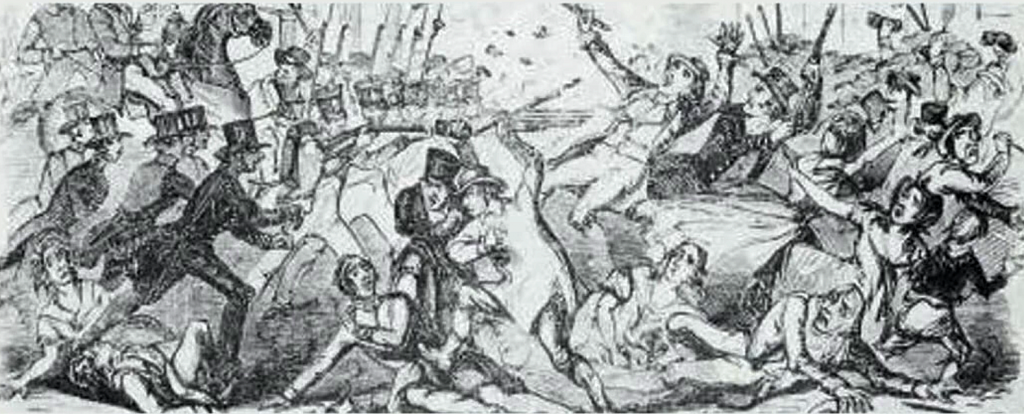
The Chartists
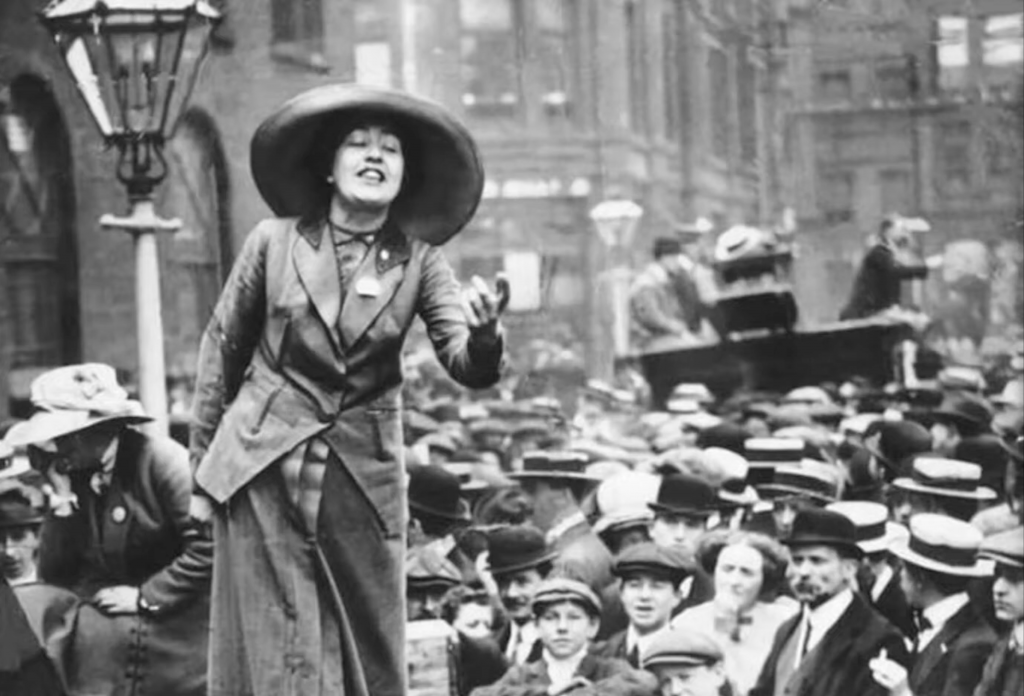
The Suffragettes
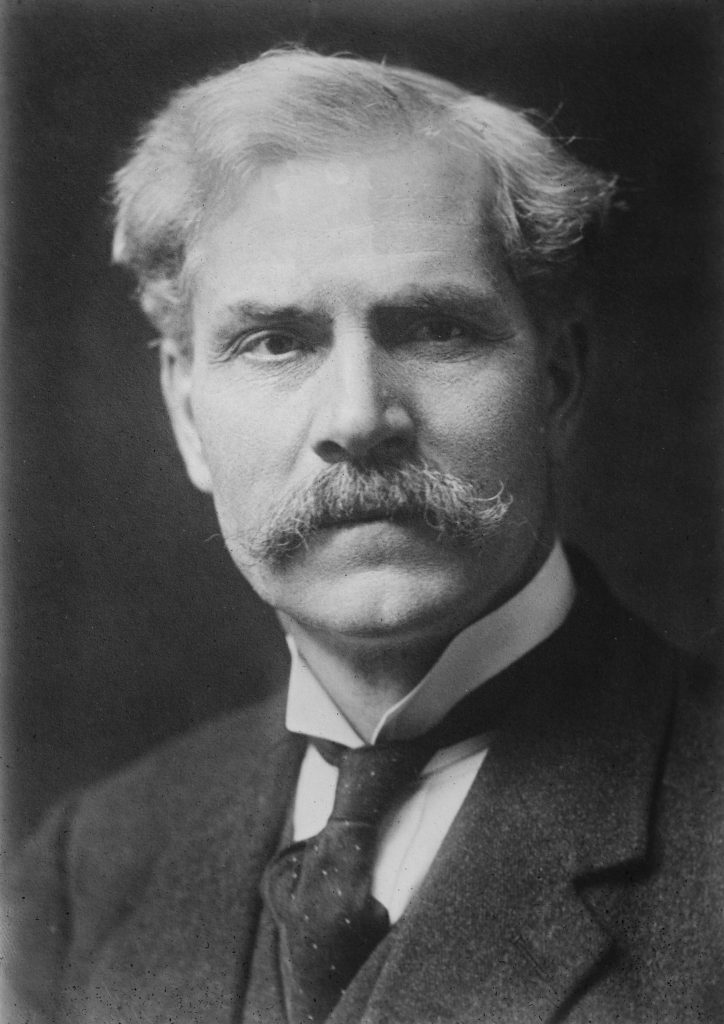
Ramsay MacDonald
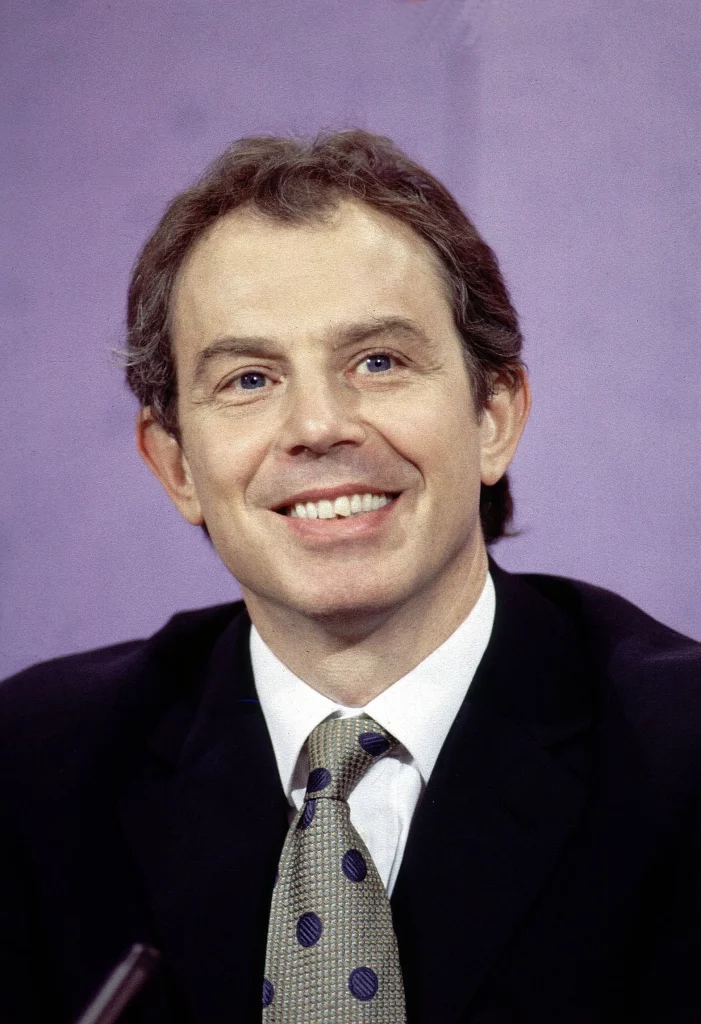
The Next Labour Leader 1994
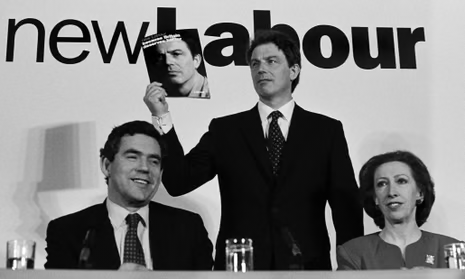
Some Mysteries of New Labour, 2004