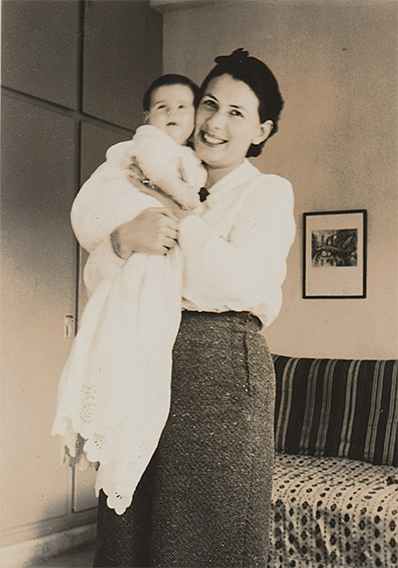
1937
Haifa, Palestine
Paul was born in November 1937. His mother Syvia’s family lived in Haifa and his father, Hugh Foot, was part of the British administration of Palestine and assistant district commissioner of Samaria, which stretched from north of Jerusalem to south of Nazareth, and from the Jordan river to the Mediterranean Sea. It included about 300 Arab villages and a small but growing number of Jewish settlements. As the Arab revolt against their British rulers escalated Hugh’s life was under threat and he, Sylvia and baby Paul were evacuated back to England in 1938.
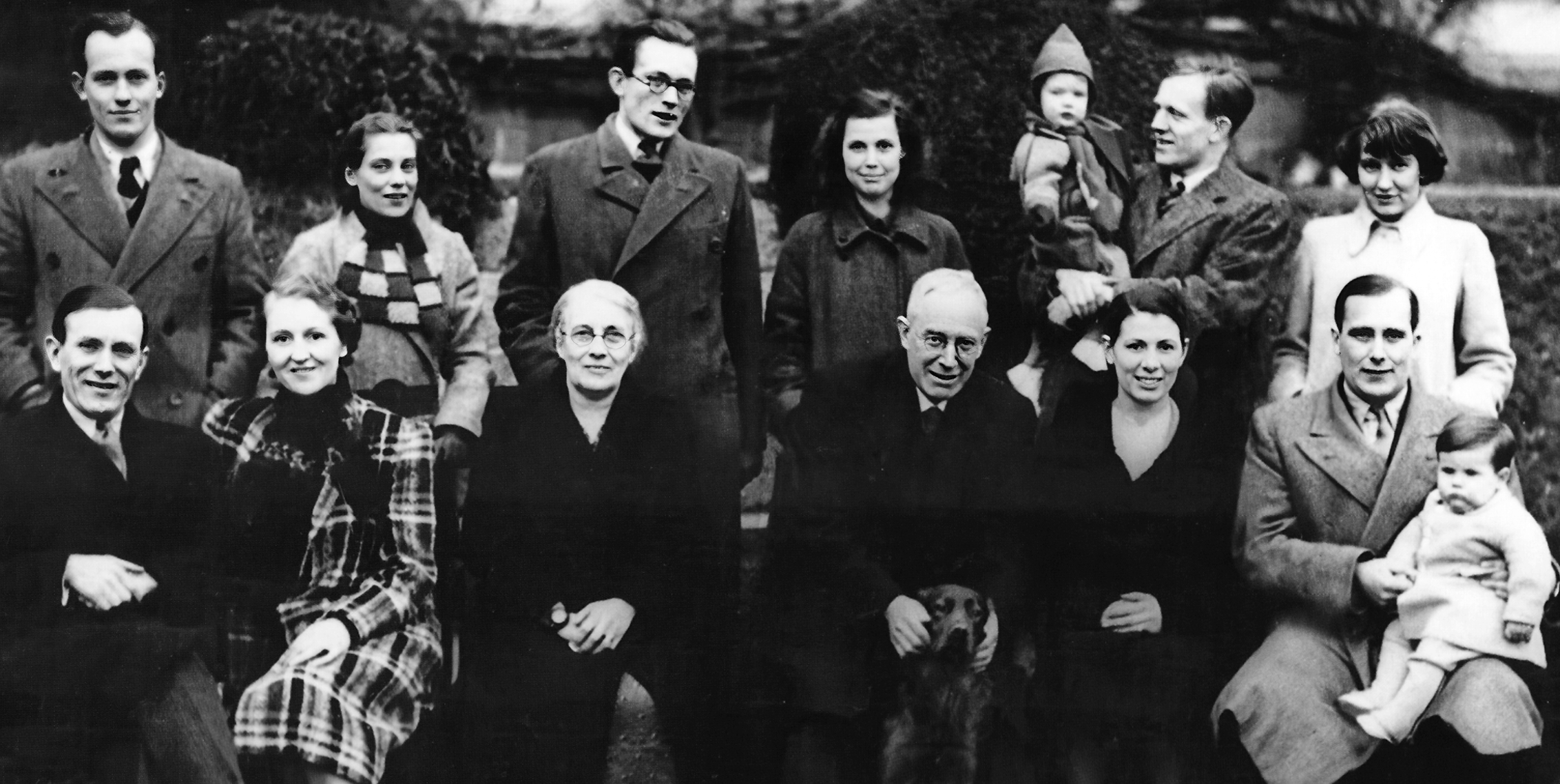
1938
The Foot family, Paul’s uncles, aunts and grandparents
Front row, from left, Dingle and his wife Dorothy, Eva and Isaac (Paul’s grandparents), Sylvia and Hugh, holding Paul; standing from left, Christopher, Sally, Michael, Anne (John’s wife), John holding Paul’s cousin Kate, Jenny
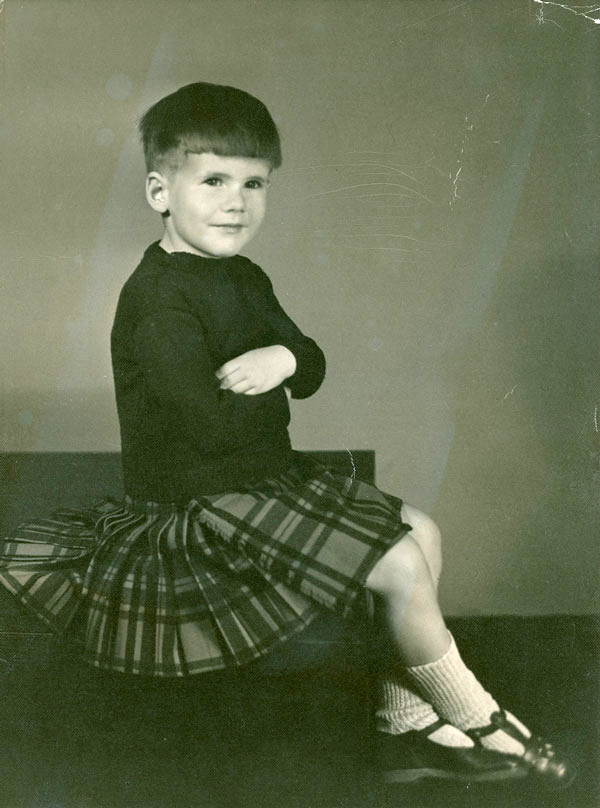
1942
Durban, South Africa
As soon as war broke out, Paul’s father was posted back to the Middle East, and his family soon followed, including Paul’s younger sister Sarah. They weren’t there for long before being evacuated again to Durban in South Africa, until the end of the war, when Hugh was posted to Cyprus.
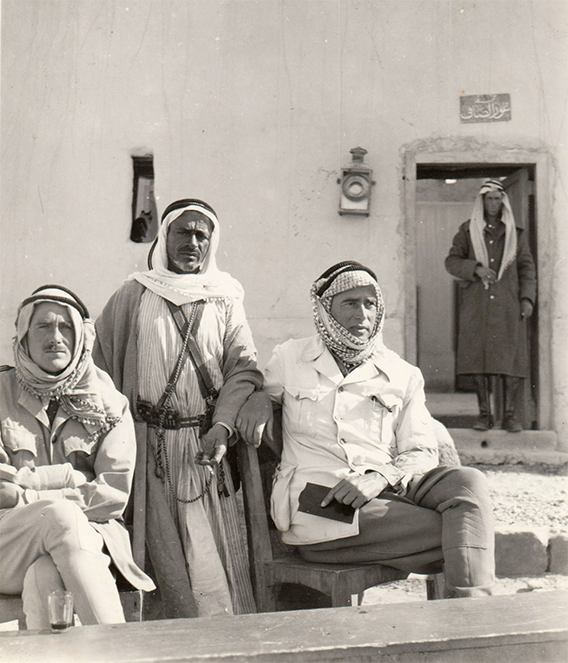
1942
Middle East
Hugh Foot, seated right, with Bedouin chief Audeh Ibn Jad, standing. Hugh, who admired the Arabs and learned to speak their language, wrote of Britain’s role in Palestine: ‘The double sin had been committed of raising false hopes both with the Arabs and with the Jews. The hopes were false because they were conflicting … by the fundamental dishonesty or our original double-dealing we had made disaster certain.’
1944
Cyprus
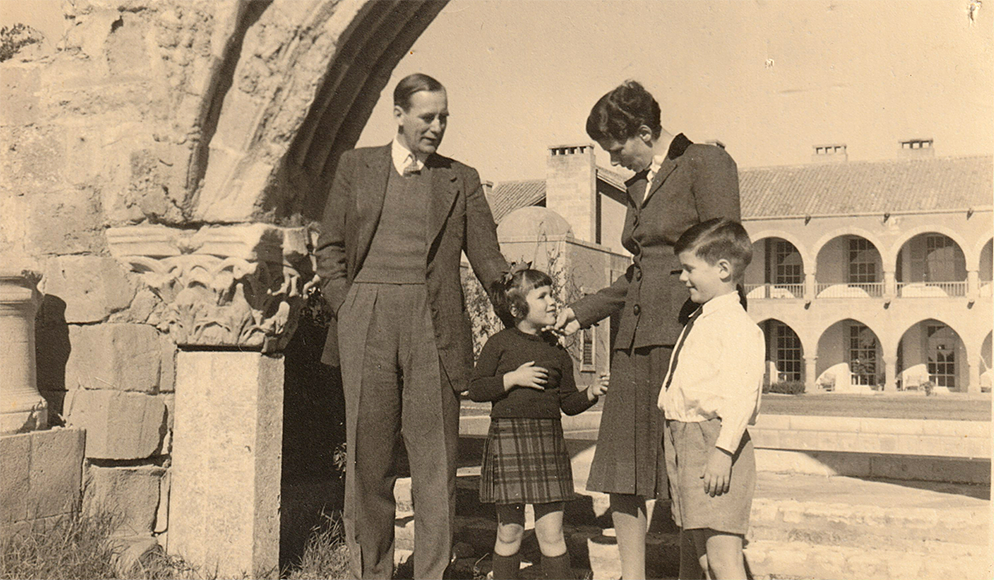
Paul with his mother, father and sister Sarah. This was Hugh Foot’s first tour of Cyprus. He returned in 1957 as the last colonial Governor before Cyprus gained its independence in 1960.
1946
Jamaica
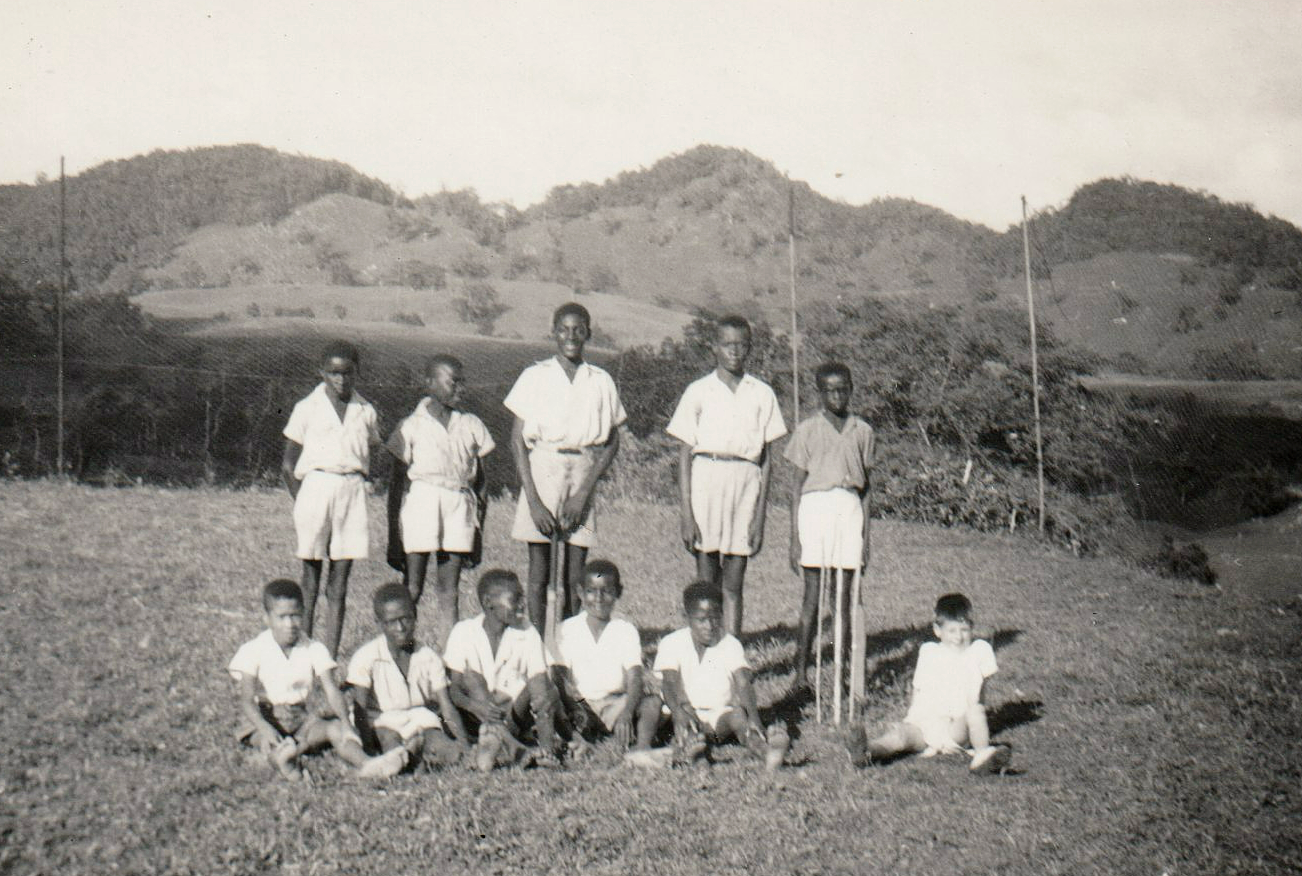
Paul with his cricket team. ‘Ever since, at the age of eight, I bowled four balls in a net off the Old Hope Road, Kingston, Jamaica, to George Headley (the greatest batsman in the history of the world) I have experience only one completely uncomplicated pleasure: watching West Indian batsmen in full flood.’
1947
Ludgrove School
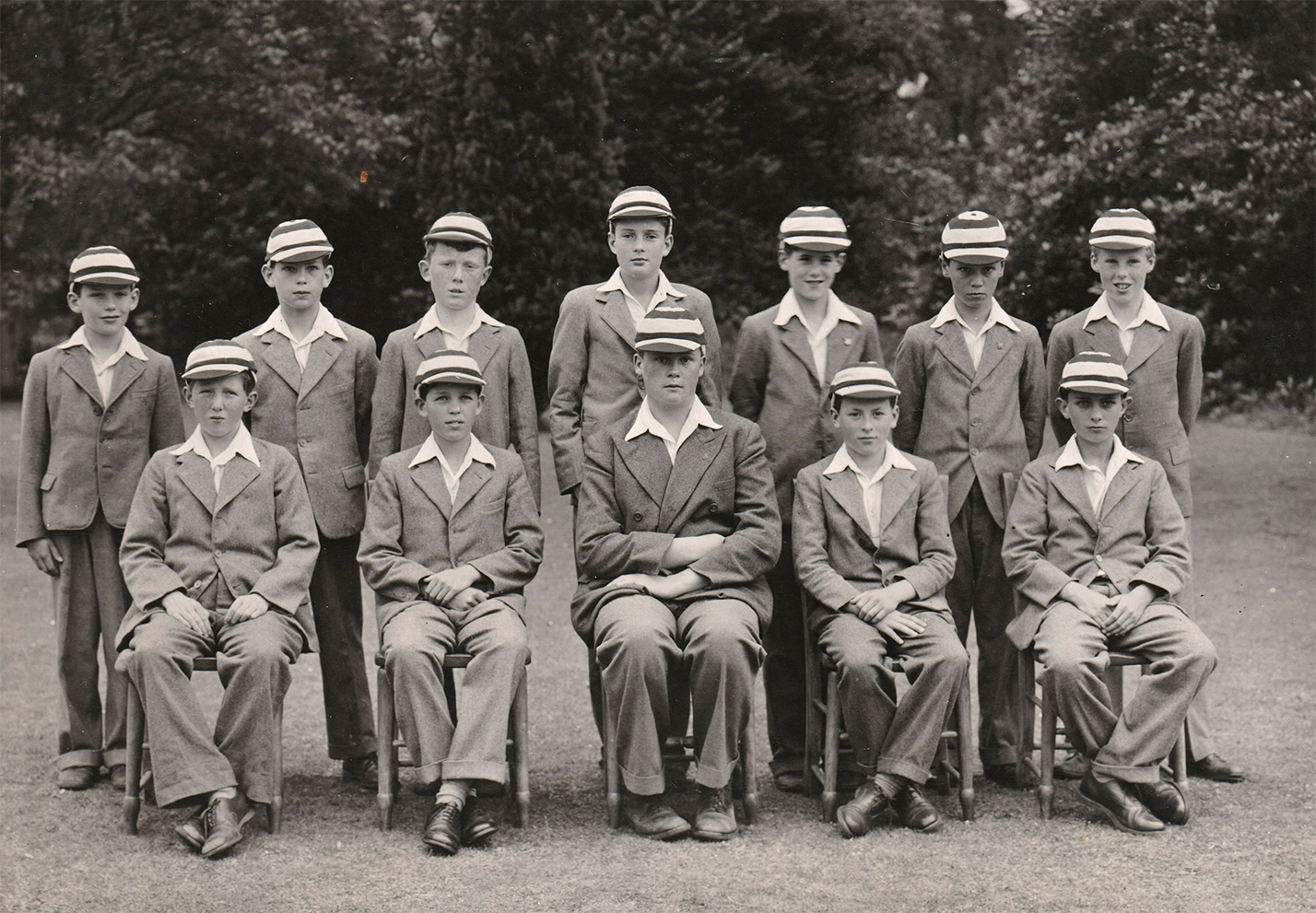
Paul with the second eleven cricket team, standing third from right. When Paul’s father was posted to Nigeria in 1947, Paul stopped off in England for his first experience of boarding school. He was one of the bright boys selected for extra tuition in the classics. He discovered he could write and played a lot of cricket. He did much the same when he arrived at Shrewsbury School in 1952
1952
Shrewsbury School
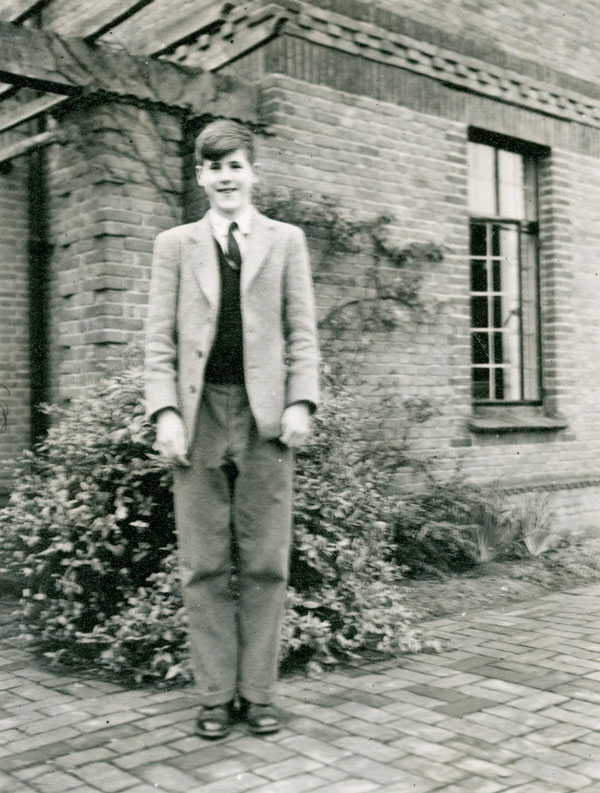
There were three boys at Shrewsbury who Paul got to know during his time there: Richard Ingrams, Christopher Booker and Willie Rushton. More of them later.
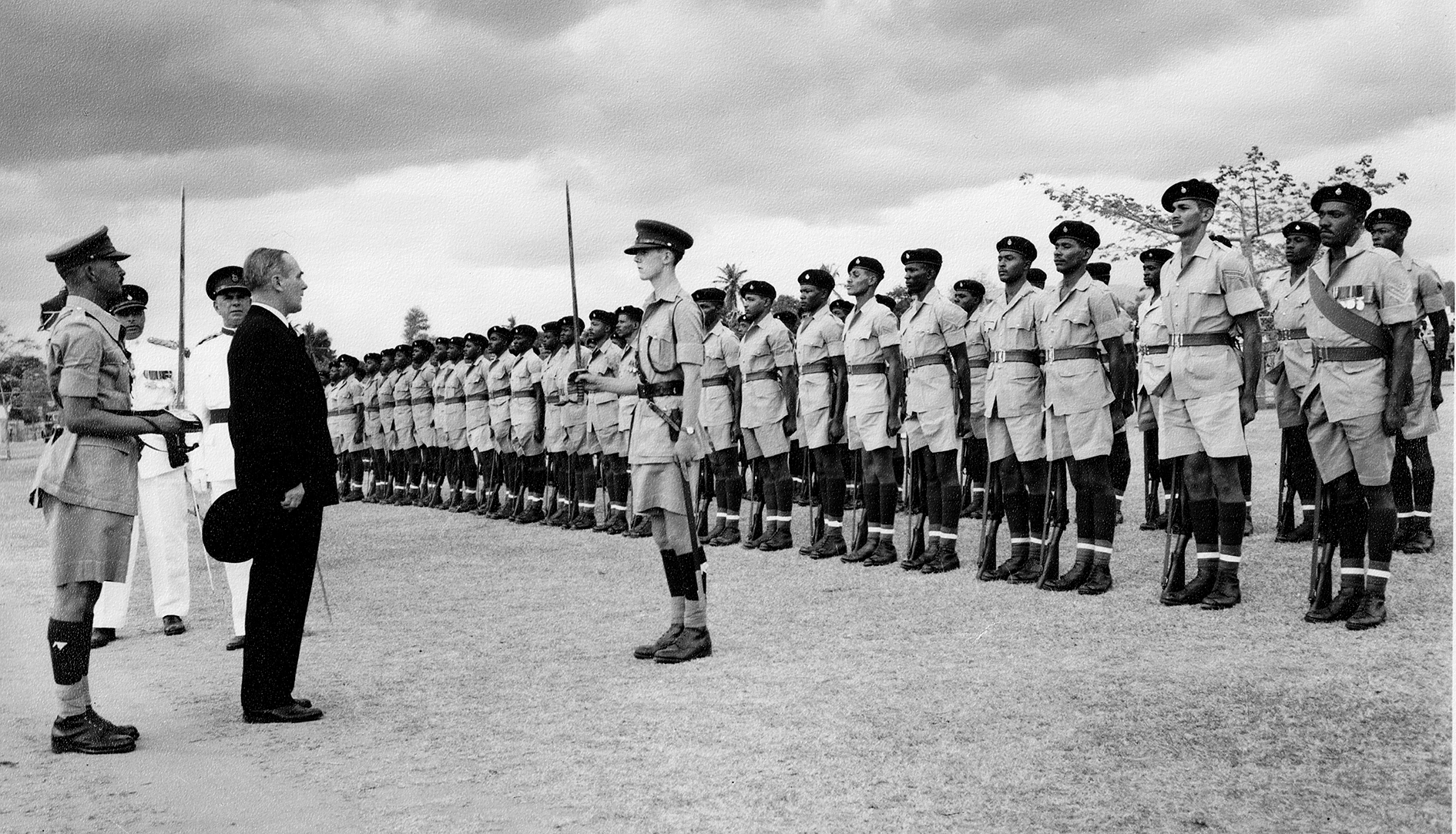
1955
Back to Jamaica
Second Lieutenant Foot and the Jamaica regiment, on parade before the governor, Paul’s father. Back then, all young men had to complete two years National Service.
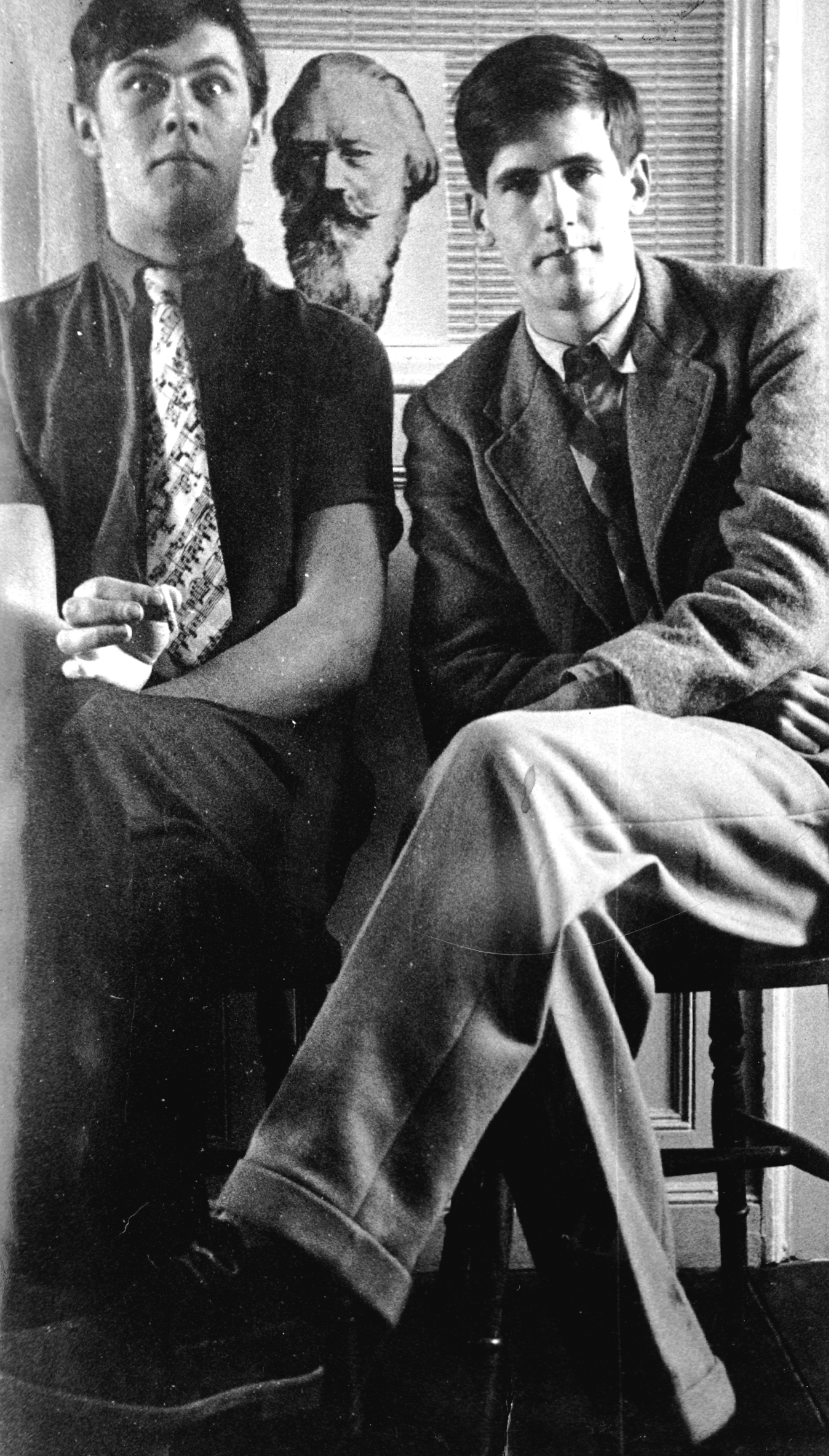
1958
University College, Oxford
Paul with Richard Ingrams and Brahms (not Marx). On Paul’s first day at Oxford, he bumped into Richard, neither knowing the other would be there. They became firm friends. Richard studied classics and Paul studied law, but what they both wanted to do was have some fun. Their outlet was a collection of satirical magazines, starting with Parson’s Pleasure.
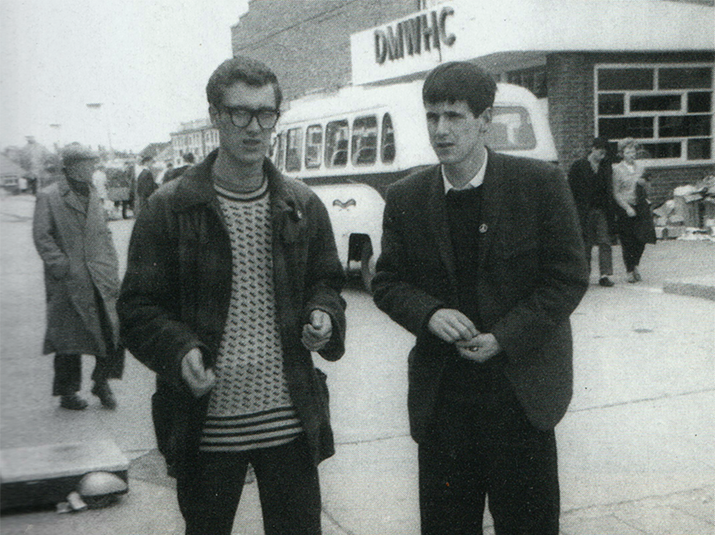
1961
Glasgow
Paul and Gus McDonald at a Young Socialist gathering in Skegness during Paul’s Glasgow years.
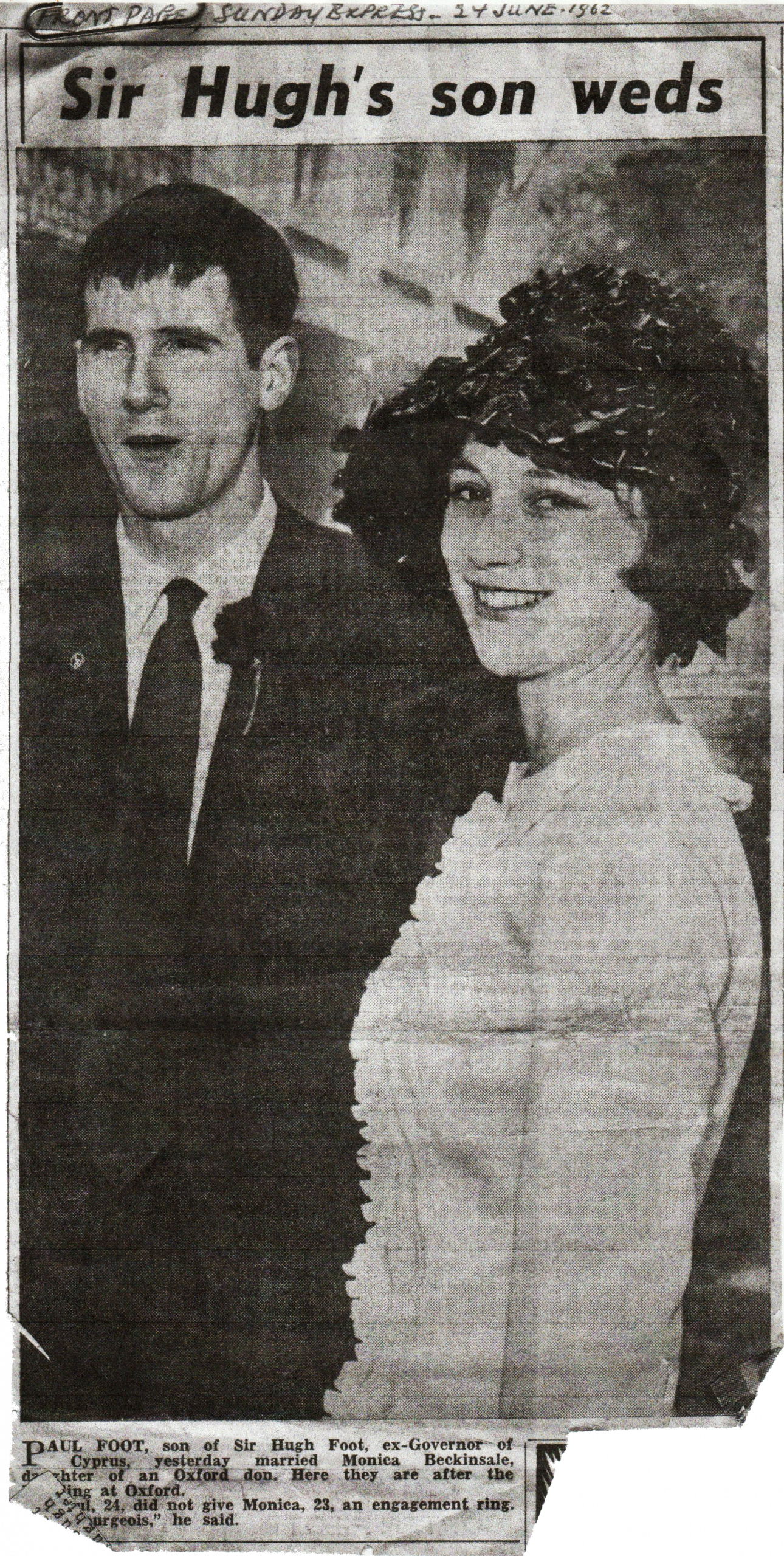
1962
Paul marries Monica
Paul’s wedding to Monica Beckinsale, with his mother present and his father, as so often, busy elsewhere, took place at the Oxford register office, which Monica’s mother, a devout Catholic, compared to a visit to the Dog Licence Office. Paul’s godfather Stewart Perowne stood in for his father and, in the tradition of the Foot family, gave him a collection of Samuel Richardson’s novels as a wedding present. The couple returned to London in 1964, in time for the arrival of their first son John, and two years later their son Matt.
1964
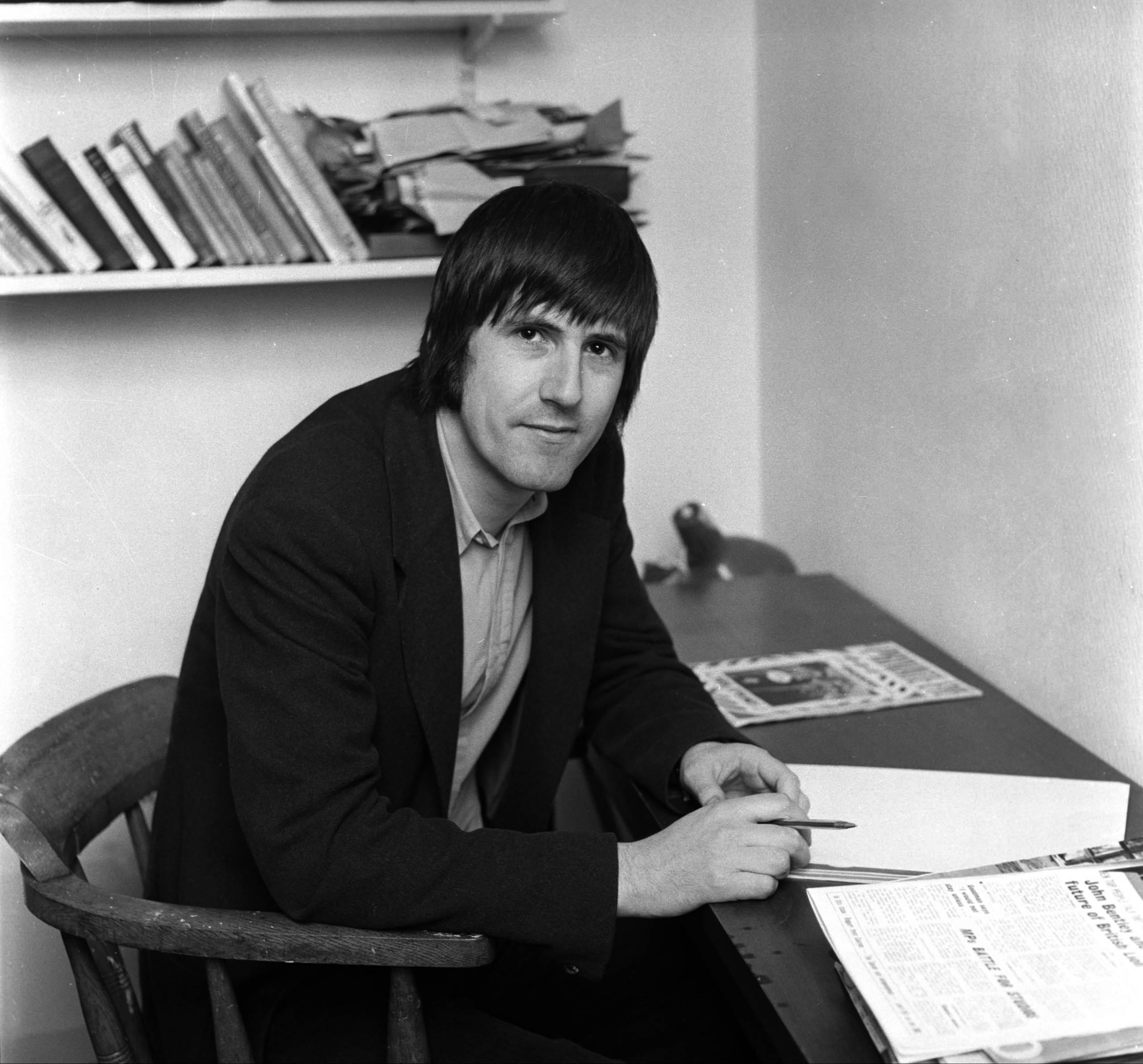
Starting as a journalist
Back in London, Paul joined the staff of the Sun, previously the Daily Herald, but left after six months to join the Sunday Telegraph. That lasted a further two years and then, in early 1967, he finally joined Private Eye, where he had free rein to write the exposés that made his name: James Hanratty, Christiaan Barnard’s heart transplants, the collapse of Ronan Point. Several politicians were also in his sights: Jeffrey Archer, Reginald Maudling and Jeremy Thorpe.
1964
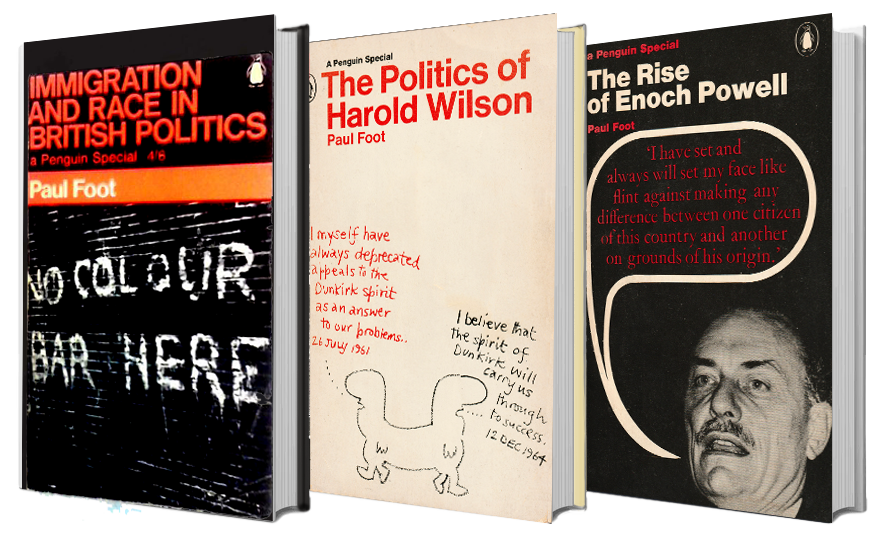
Starting as an author
Immigration and Race in British Politics, The Politics of Harold Wilson, The Rise of Enoch PowellThree books in just five years. Paul’s ability to write seemed to have no limits.
1971
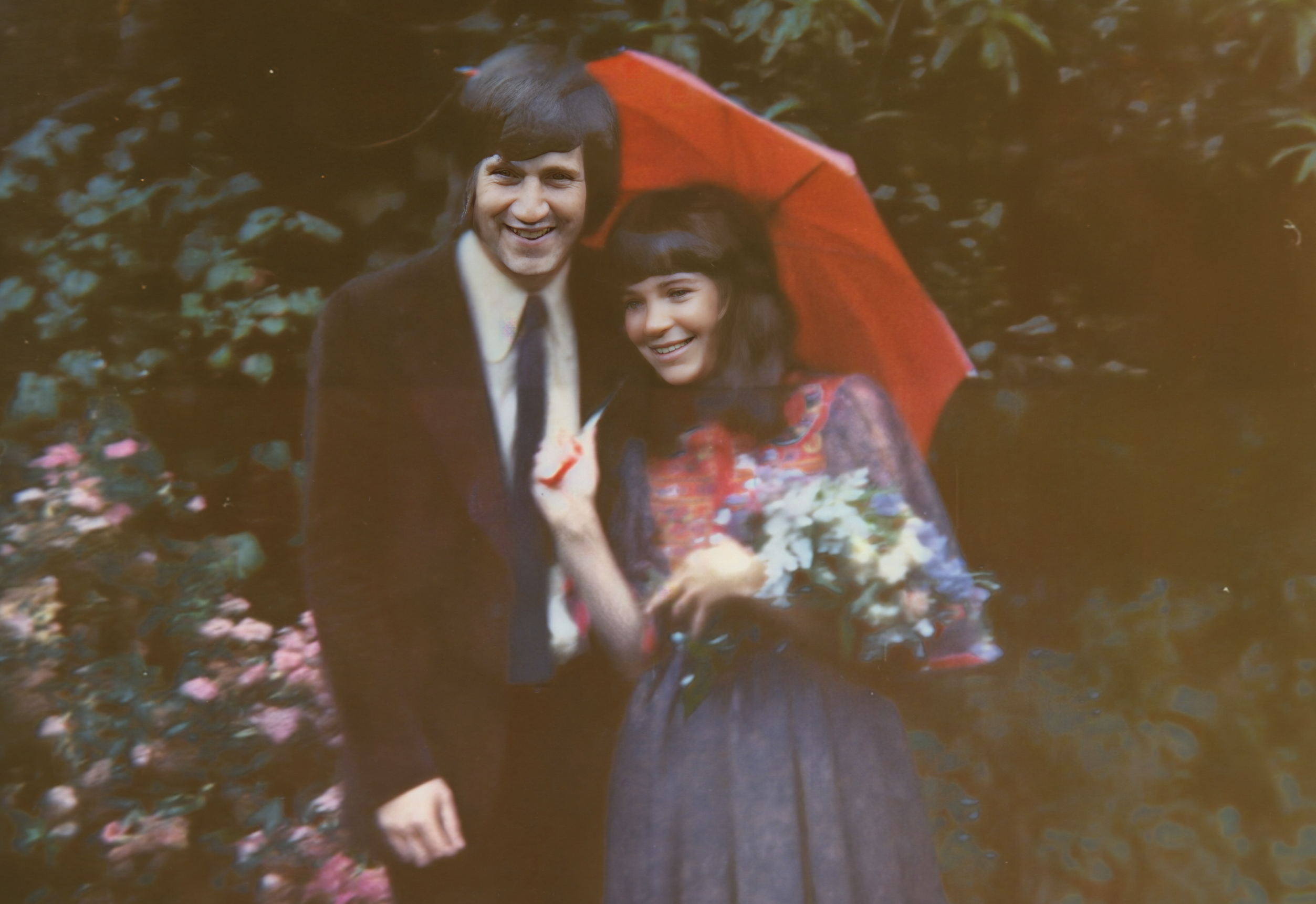
Paul marries Rose
Paul’s marriage to Monica had finally collapsed in 1968 and as soon as their divorce came through, he married Rose Harvey, who he’d met at the Telegraph. His fourth book, Who Killed Hanratty? was published that same year.
1972
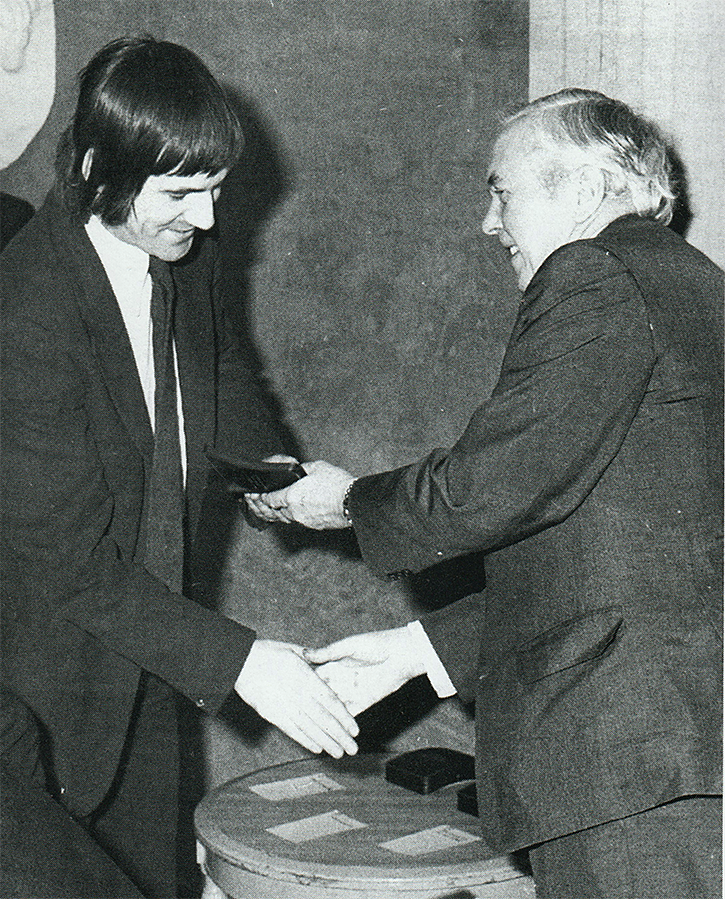
Journalist of the Year
Paul receiving the What the Papers Say award from Harold Wilson. Paul’s reputation as a journalist was growing, but in 1972, when he was crowned Journalist of the Year, he took the decision to abandon commercial publishing and join the staff of Socialist Worker which he, briefly, edited between 1974 and 1975.
1974
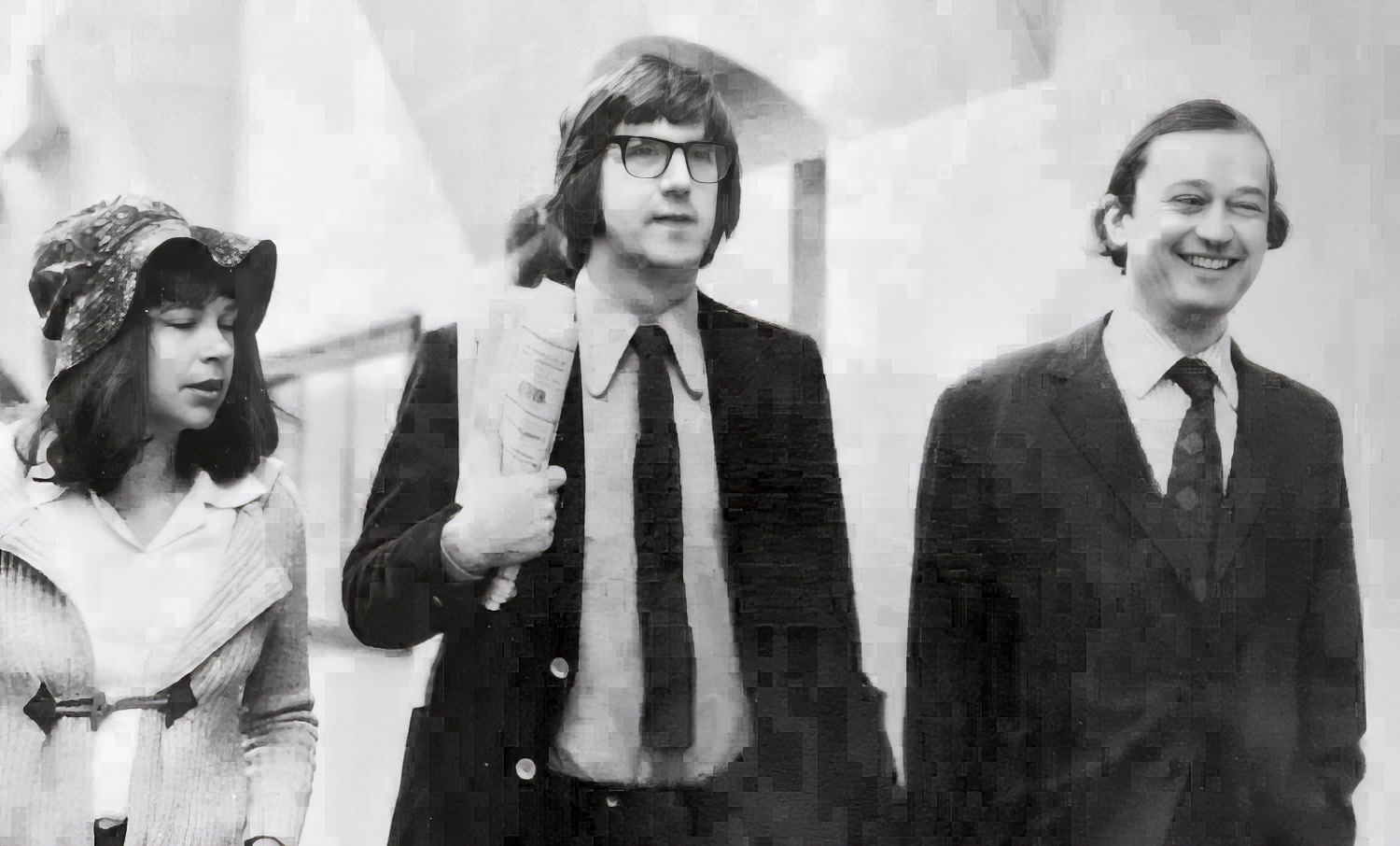
Contempt of court
Paul’s years on Socialist Worker were eventful. The police came knocking in 1974 and charged him with criminal libel against the police for a Socialist Worker poster showing a baton wielding policeman at the demonstration where Kevin Gately was killed. They objected to the words: Murdered by the Police. No one knows why, but the case was quietly dropped. In its place came a second charge for contempt of court, for naming the men who claimed they had been blackmailed by Janie Jones, who provided female escorts for wealthy men. She was acquitted. But the judge was so furious that Paul had flouted his ruling by naming Lord Y and Mr X he hauled him up for contempt. In his defence, Paul told the court Miss Jones’ case was ‘a glaring example of the unfairness of protecting rich and disreputable witnesses.’ Socialist Worker launched a fund-raiser to pay the fines and exorbitant prosecution costs.
1977
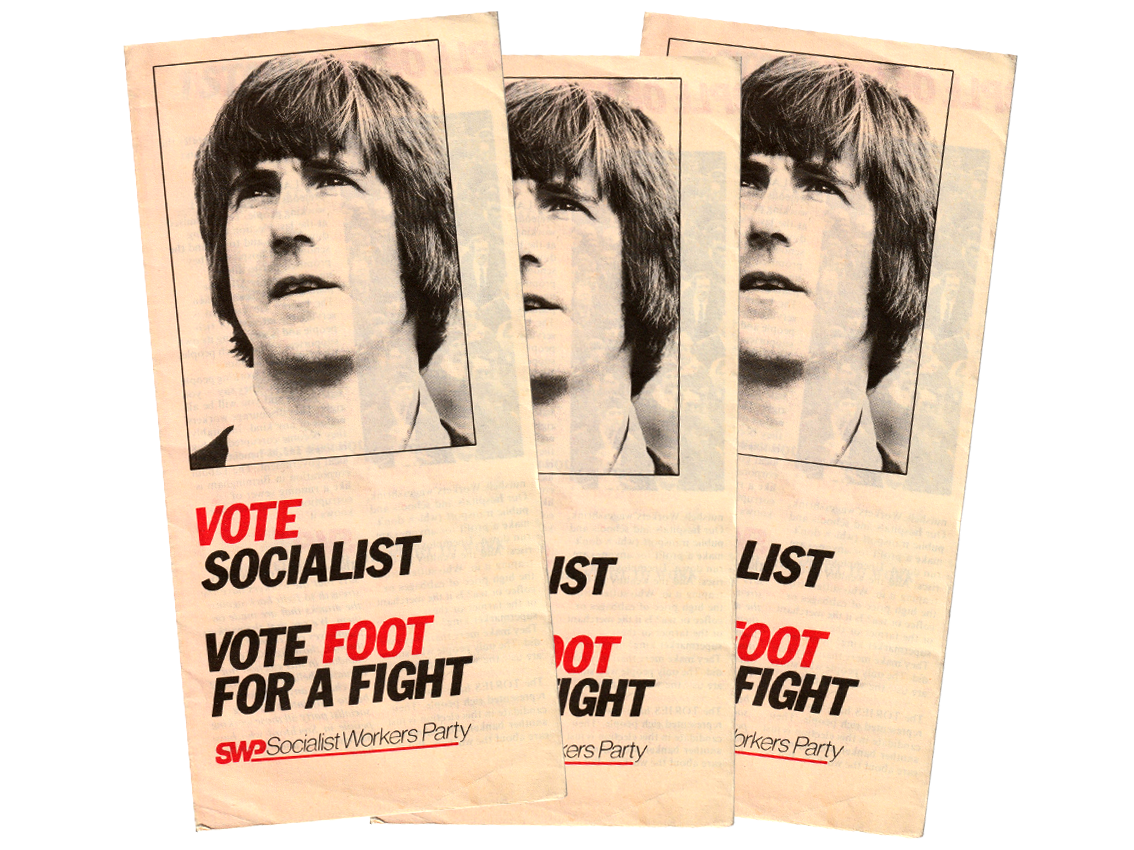
Vote for Foot
In 1977, the International Socialists changed its name to the Socialist Workers Party, and to mark that change Paul wrote Why You Should be a Socialist, arguing the case for a new political party. He also stood as the party’s candidate in the Stechford by-election. The result was poor – just 377 votes – and the strategy of standing candidates, even for propaganda purposes, was soon abandoned.
1978
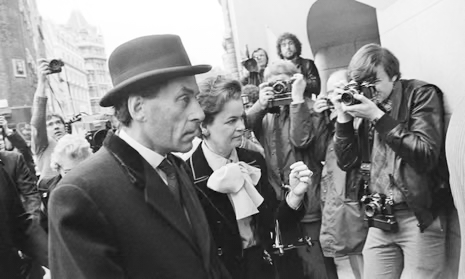
Paul leaves Socialist Worker
A debate about the future direction of Socialist Worker led to the resignation of Jim Nichol as editor of the paper, as well as Paul and Laurie Flynn as journalists. Paul decamped temporarily to the New Statesman and Private Eye, where he memorably outed Jeremy Thorpe, about to be charged with conspiracy to murder.
1979
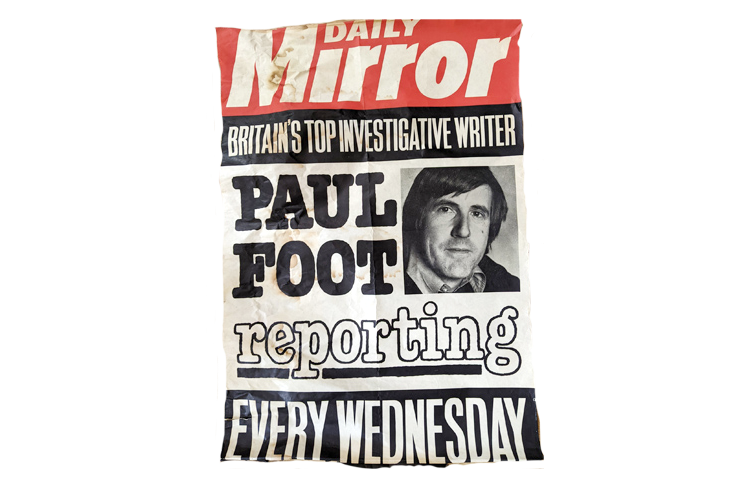
Paul joins the Daily Mirror
The year Paul joined the Daily Mirror and started his Paul Foot Reporting column, that ran for 14 years. Each of his pages asked the Mirror’s readers: ‘If you have something you think I ought to investigate let me know at the Mirror’, together with his phone number and photograph. ‘This was, I think, the first time a national paper had openly solicited information from whistle-blowers, grasses and finks,’ Paul later wrote of that decision. There was one other piece of very good news – his son Tom was born.
1981
Campaigning Journalist
of the Year
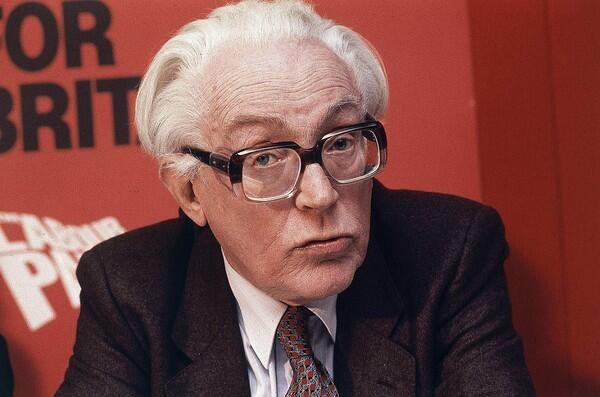
Paul is named Campaigning Journalist of the Year at the British Press Awards. This time the award is presented by his own Uncle, Michael Foot, who had been elected leader of the Labour Party the previous year.
1984
Miners Strike
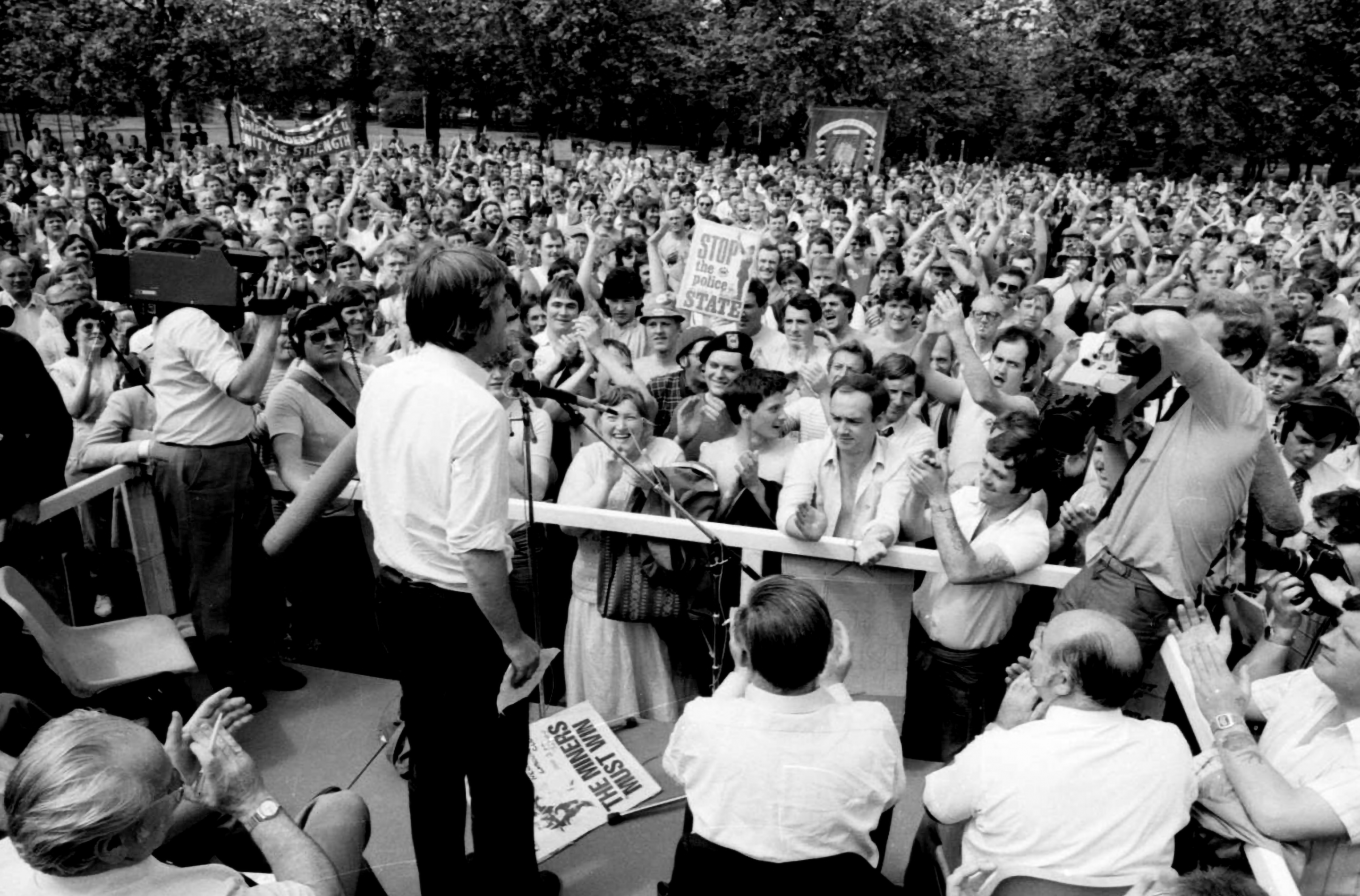
From week one of the strike, in 1984, to the NUM’s defiant return to work a year later, Paul covered the story of the miners’ strike in every one of his Daily Mirror columns, mostly telling stories he had gathered from striking miners; sometimes reporting Government leaks; or asking sharp questions about the men running the anti-strike campaign. He also starts writing a weekly column in Socialist Worker, that runs for 15 years.
1988
Paul and Clare Fremont
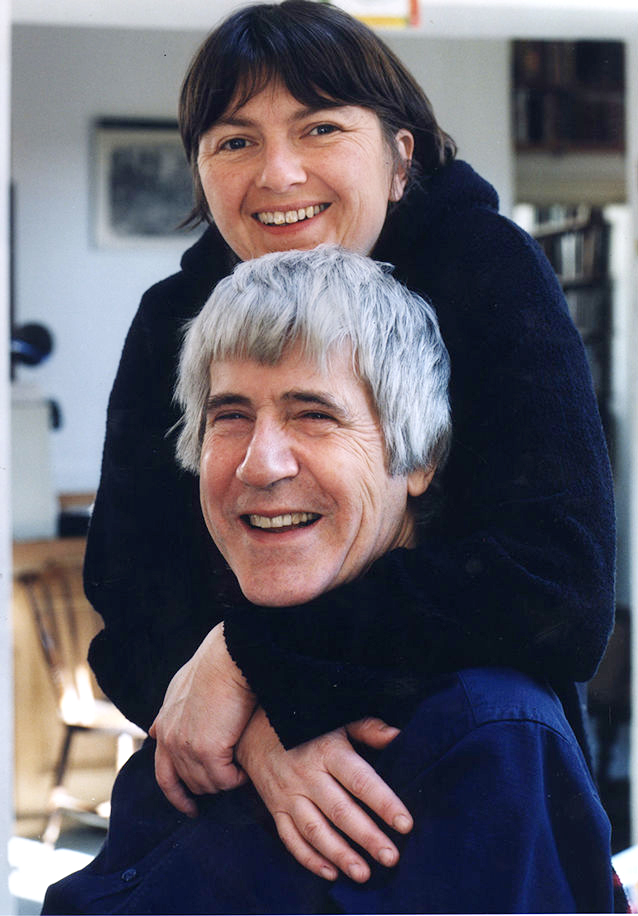
Over the Christmas holiday in 1988, Paul had told Rose about his affair with Clare Fermont. He left their holiday home in Cornwall and returned to Clare’s house in Stamford Hill, Hackney.
1991
The Iraq War
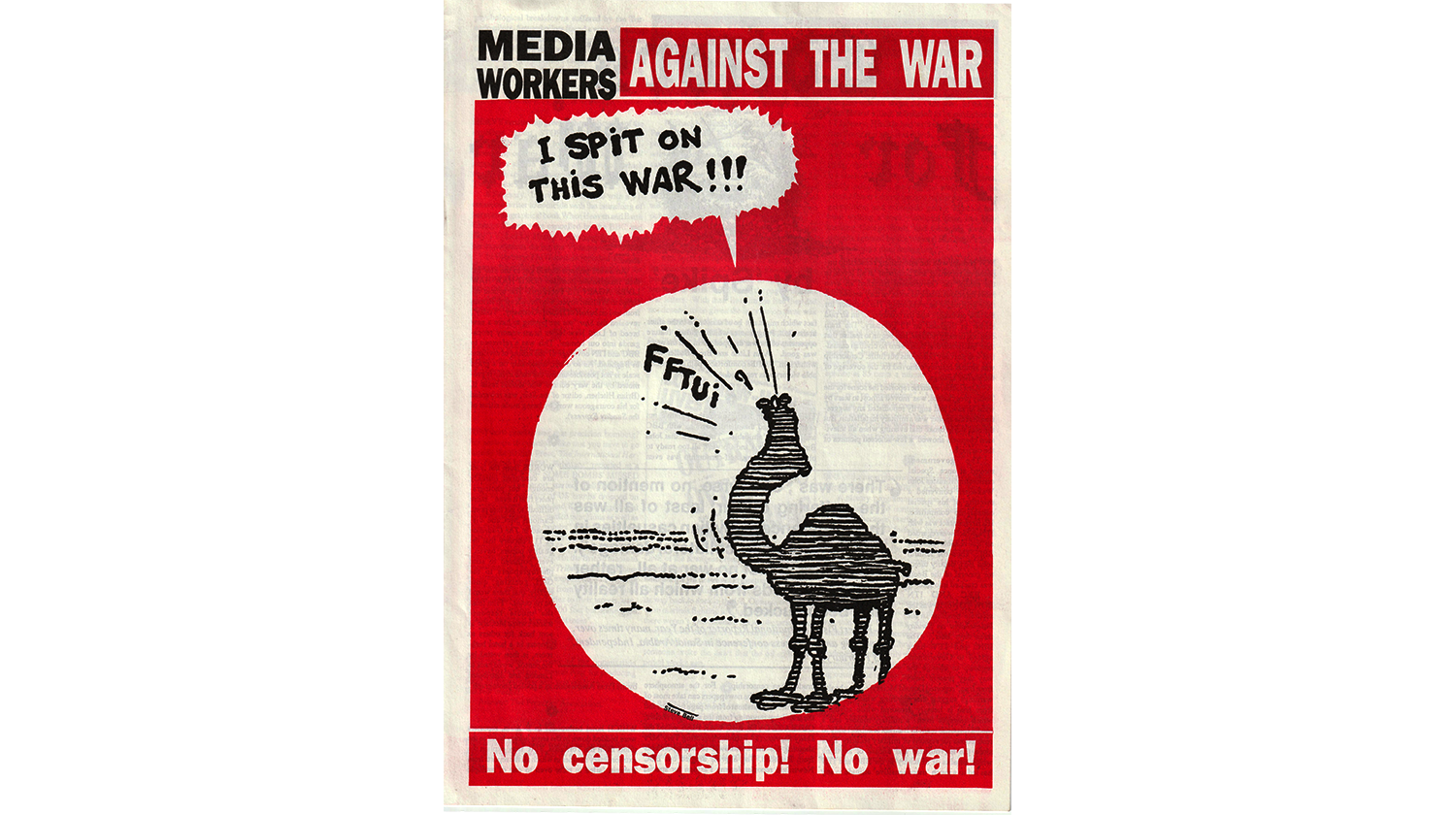
Paul was a founder of Media Workers Against the War, organised in response to the Government’s crack-down on reporting of the Iraq war. As the war began, Paul watched the TV news, where: ‘a BBC nincompoop in battledress, safe in his bunker in Riyadh, is reading out jingoistic nonsense from Henry V, and now Margaret Thatcher regales us with the horrors of Saddam’s attack on Iran, an attack she supported.’ The campaign slogans were simple: ‘No censorship! No war!’ As well as media workers, there were also Artists Against the War, Poets Against the War, even Lawyers Against the War. Another important event for Paul was the death of Robert Maxwell, publisher of the Mirror.
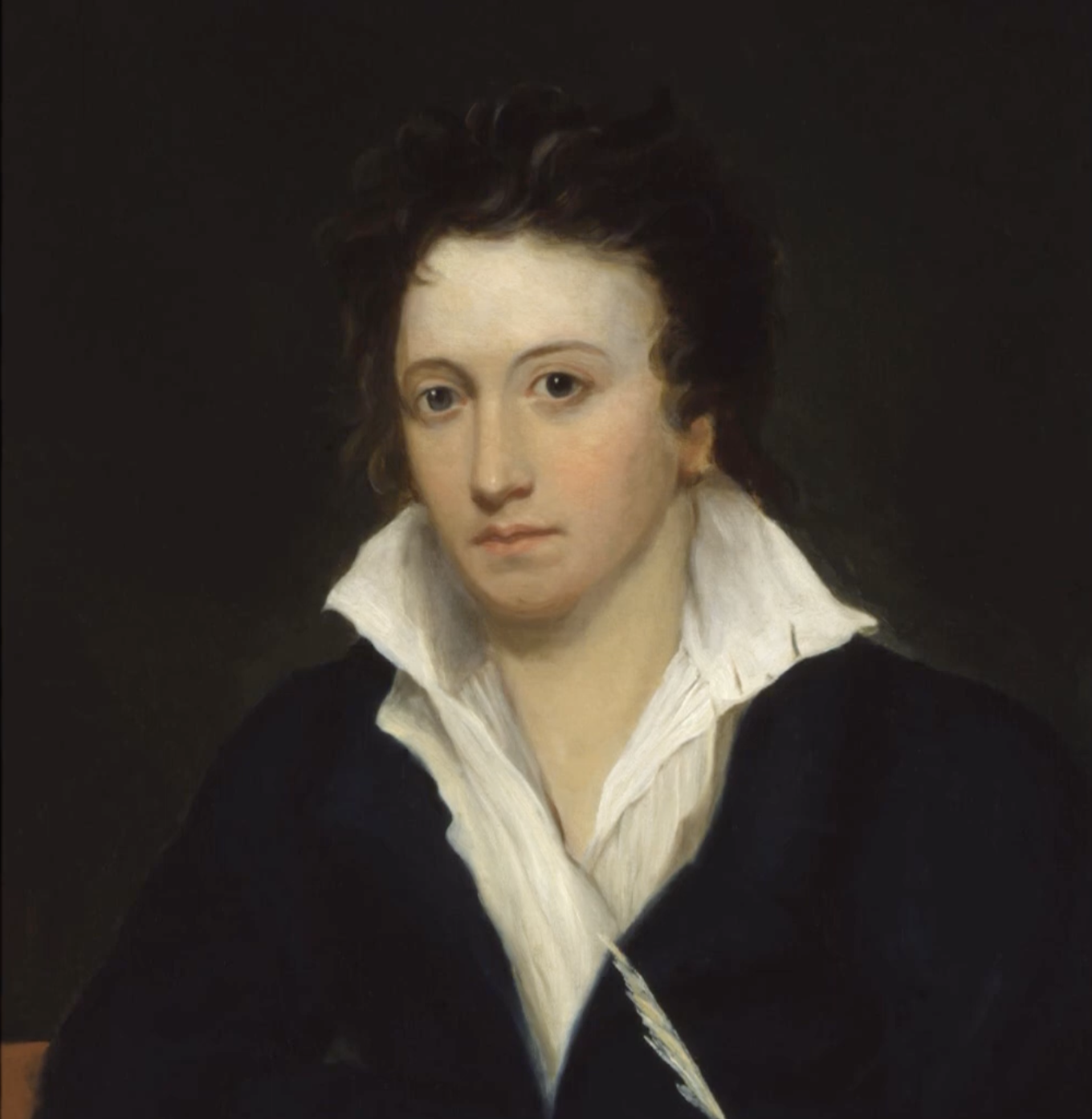
1992
Paul at Marxism
Paul took every opportunity to speak about the poet Shelley in this anniversary year. It was also a general election year. ‘Do you really want another five years of this?’ he asked in his Daily Mirror column, quoting Shelley’s poem ‘England in 1819’:
“Rulers who neither see, nor feel, nor know
But leech-like to their fainting country cling.”
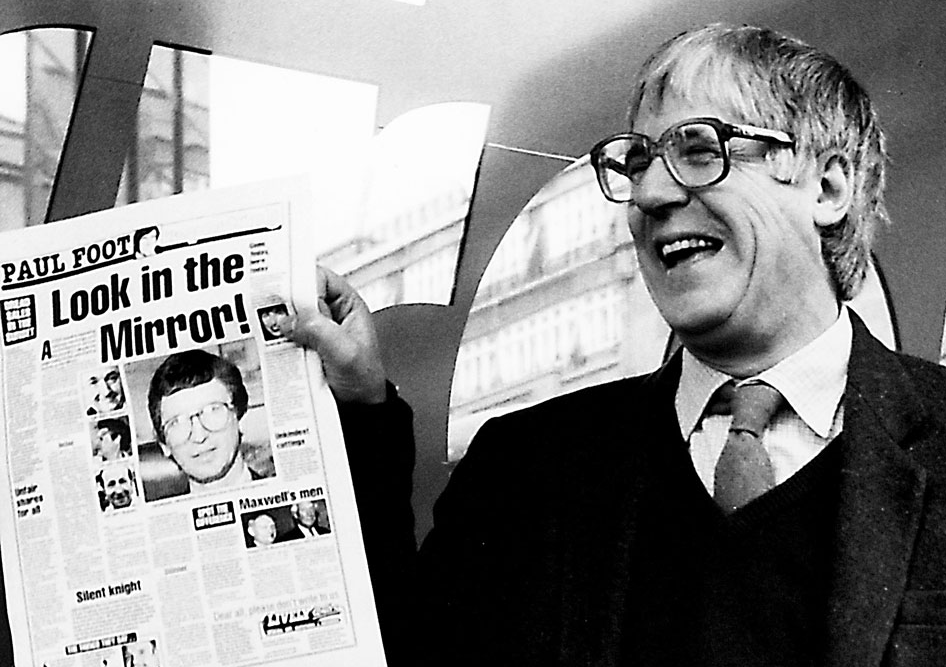
1993
Paul leaves the Daily Mirror
Daily Mirror management refused to publish what became Paul’s last column for the paper, because it criticised the Mirror’s management and, particularly, David Montgomery, the new chief executive of Mirror Newspapers. With help, Paul produced the page anyway and stood on the steps of the Mirror building and gave it out to the waiting media. Paul returned to Private Eye and started a new column for the Guardian
1994
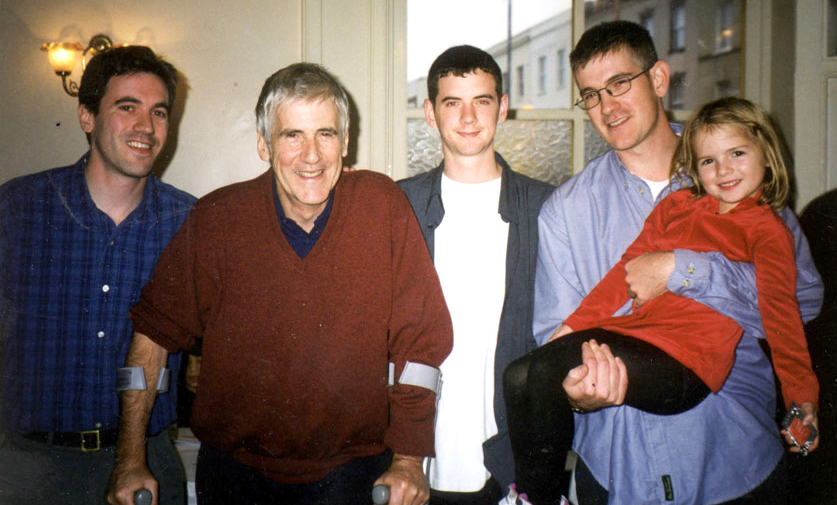
Paul and all his children
This was the year Kate was born and joined the family line-up
Matt, Paul, Tom, John and Kate
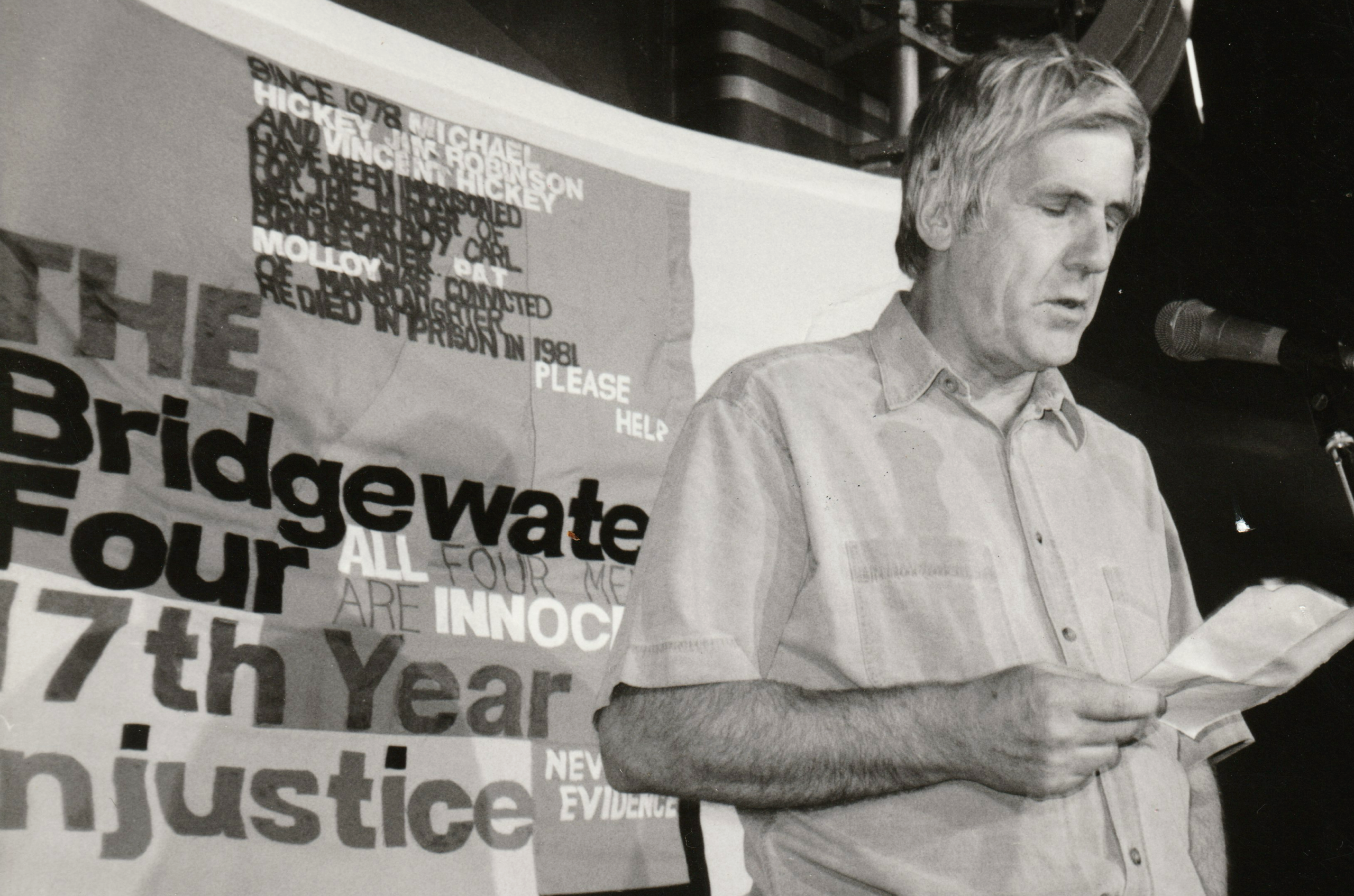
1997
Success after
17 Years
In February, the Court of Appeal finally cleared Jimmy Robinson, Pat Molloy, Vincent and Michael Hickey of murdering the newspaper boy Carl Bridgewater, after 17 years of campaigning by Paul. It was also the year in which Paul was 60. The invitation for his birthday party reminded those he had invited that as Shelley had written ‘Old men are testy and will get their way’.
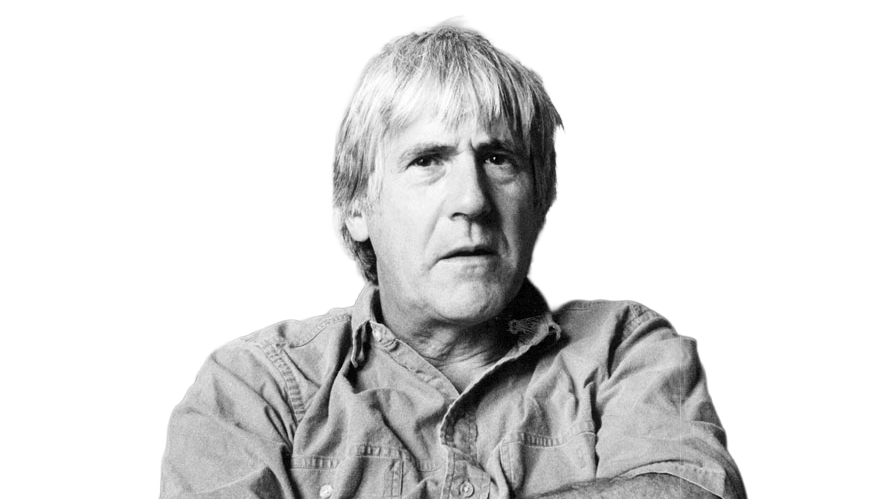
1999
Six months in hospital
Paul was rushed to hospital in April 1999 with a ruptured aorta. He spent six months in hospital and was told that his heart could burst again at any moment and that would be it. Although he had been in a coma there was no damage to his brain, and he learned to walk again, with difficulty, using two sticks. By the end of the year he had returned to work, writing regularly for Private Eye and the Guardian, and occasional pieces for the LRB and Socialist Worker. His book The Vote was only half written and finishing it was now a pressing priority.
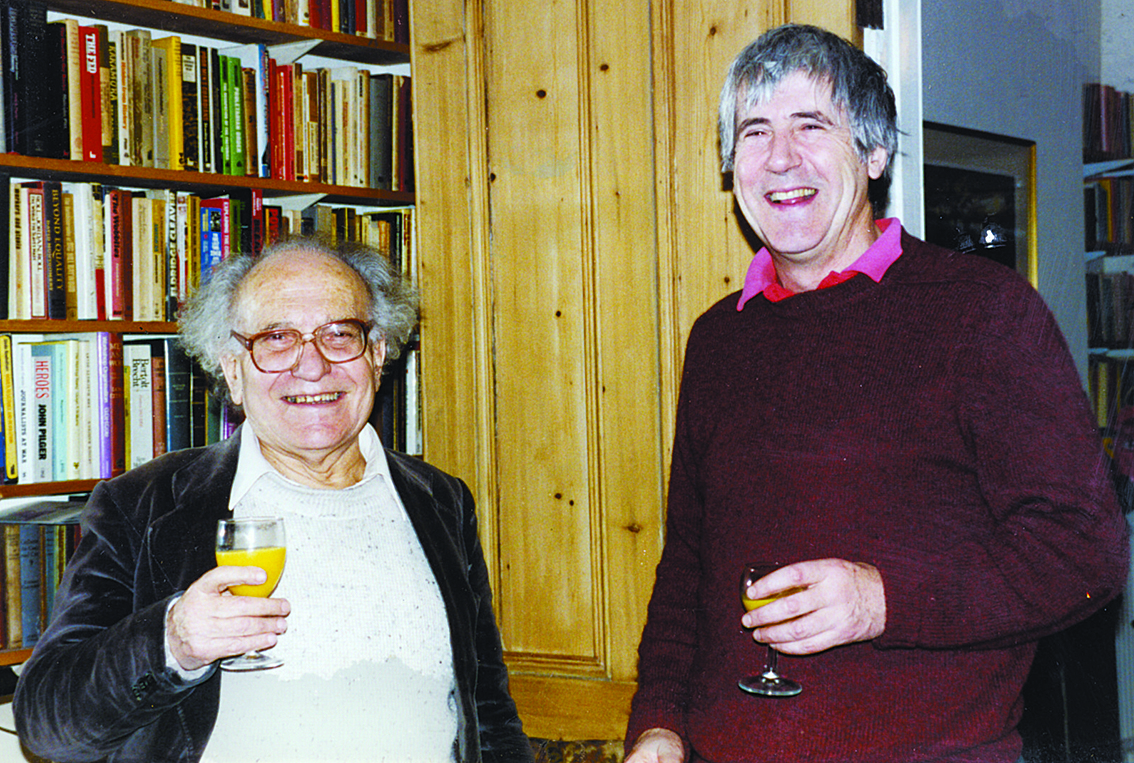
1993
Paul and his political mentor Tony Cliff
When Cliff died in early 2000, Paul wrote his obituary for the Guardian, describing how, at their first meeting in Glasgow in the 1960s, Cliff ‘had lifted a veil about the nature of the society we live in. That veil has never come down again.’ This was also the year that Paul was crowned Campaigning Journalist of the Decade; Articles of Resistance, a collection of his journalism throughout the 1990s was published; and he stood as the Socialist Alliance candidate in the election for the new London Assembly.
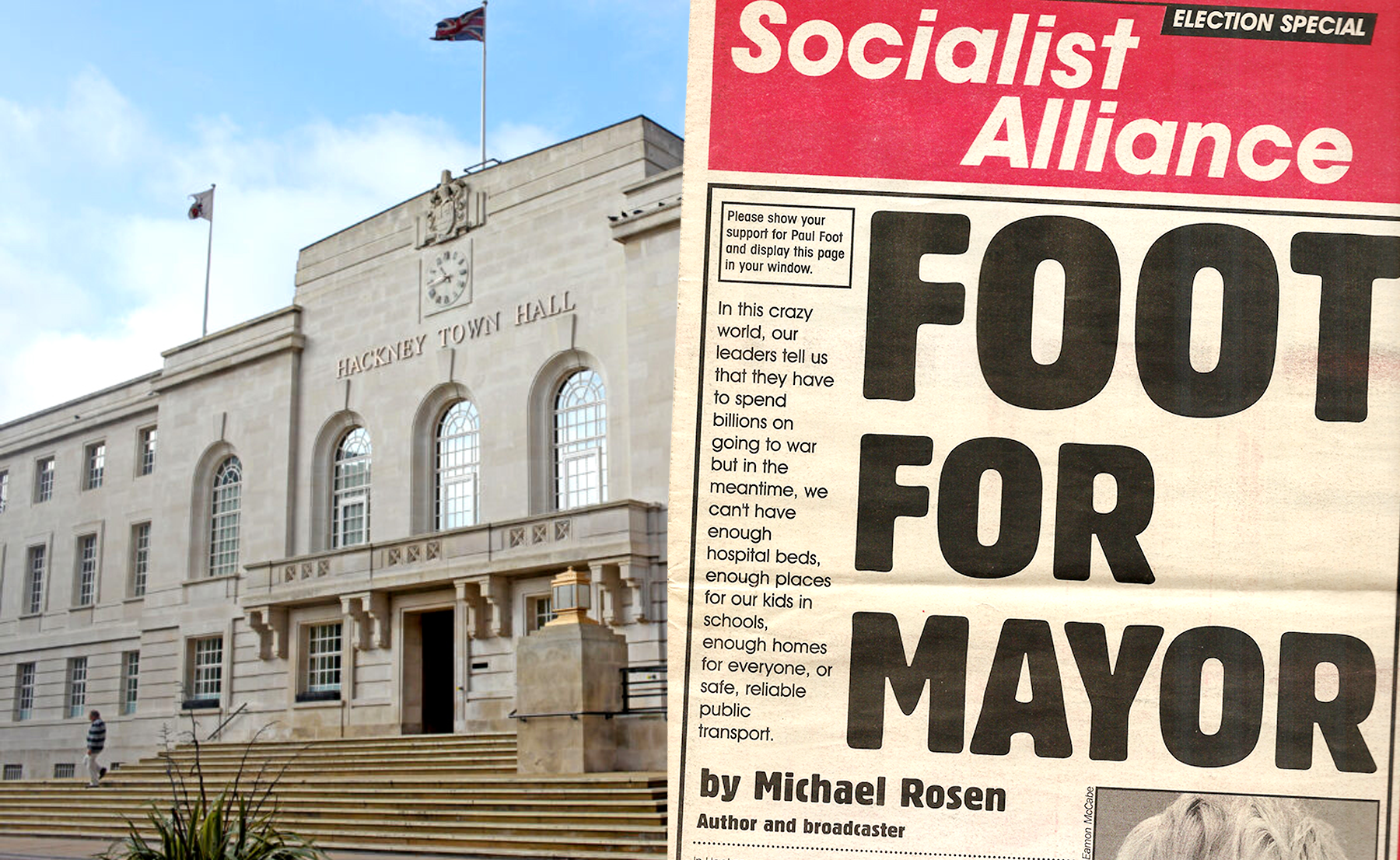
2002
Standing for Hackney
Paul lived in Hackney for the last 15 years of his life and stood as the Socialist Alliance candidate for Mayor of Hackney in 2002. ‘I became a socialist 40 years ago,’ he wrote in for his campaign, ‘because I was appalled and outraged by a society controlled by irresponsible corporations. I wanted, and campaigned for, a society owned and controlled by the people who do the work.’ But in those 40 years, the rich had got richer and the poor had just got poorer.
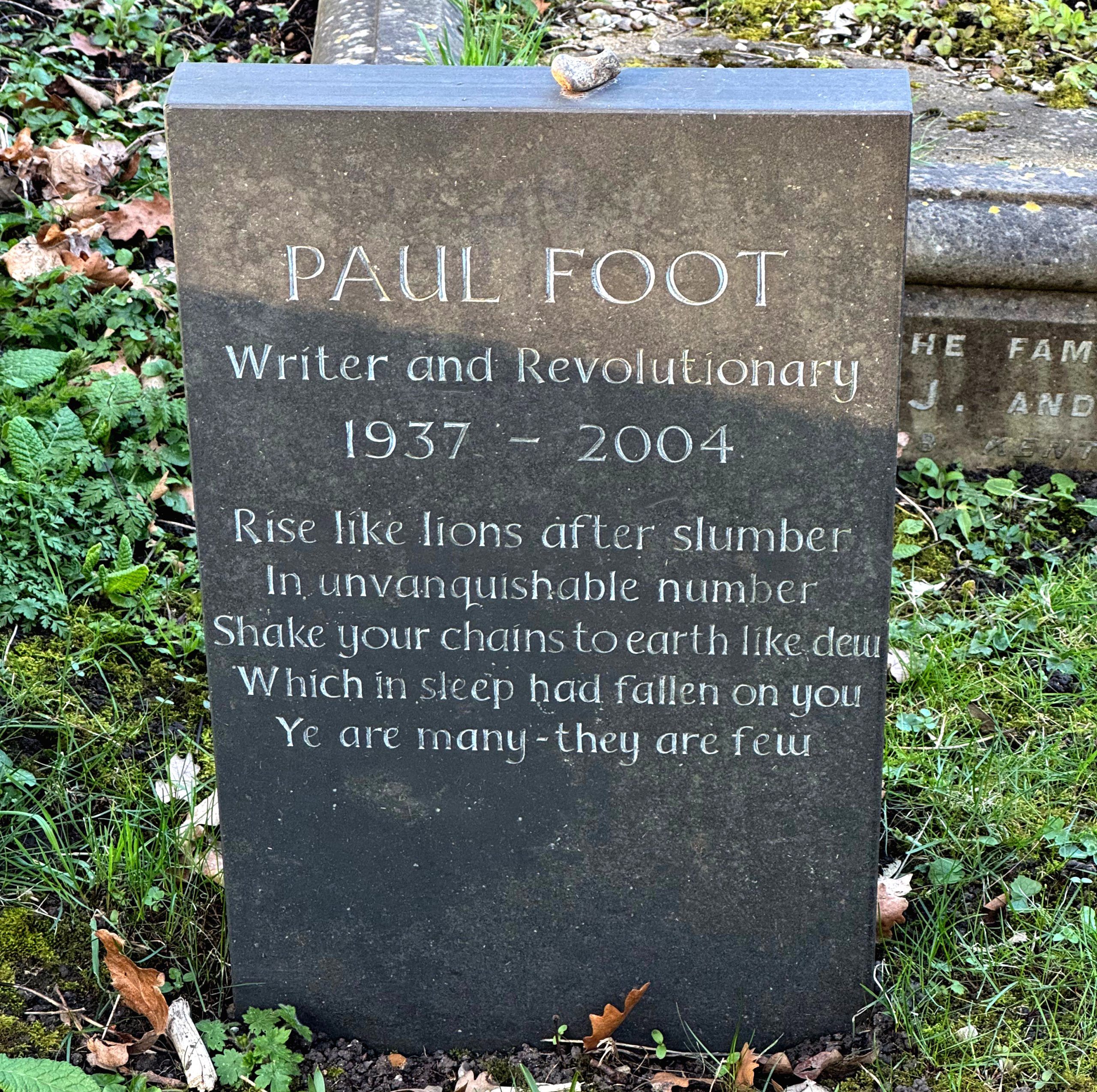
This is a title
Final footnote
In July, Paul’s heart finally gave out. Hundreds attended his funeral at Golders Green crematorium, and a memorial held later in the year that filled the Hackney Empire.